symbole Landing Page

symbole News Guide

Get updated about Symbolism, Symbols, and more Get updated about Symbolism and Symbols
symbole Service
>

Symbole Symbols Platform

This website uses cookies to ensure you get the best experience on our website. By clicking "Accept", you agree to our use of cookies. Learn more

Symbols of Countries

Symbols of Countries

USA

American Flag (Stars and Stripes)
Represents the United States, its 50 states, and 13 original colonies.
Bald Eagle
The national bird and symbol of freedom and strength.
Statue of Liberty
Symbolizes freedom, democracy, and welcoming immigrants.
Liberty Bell
Icon of American independence and freedom.
Uncle Sam
Personification of the U.S. government or the American people.
The Great Seal of the United States
Official emblem used to authenticate documents.
White House
Symbolizes the U.S. Presidency and government.
Mount Rushmore
Sculpture symbolizing important U.S. presidents and democracy.
The Flag of the President of the United States
Represents the office of the President.
The American Buffalo (Bison)
Symbolizes the American West and native heritage.
The Liberty Torch
Part of the Statue of Liberty, symbolizes enlightenment.
The Star-Spangled Banner
National anthem and symbol of patriotism.
The U.S. Capitol Building
Symbol of American democracy and legislation.
The Eagle Feather
Important Native American symbol recognized in U.S. culture.
The Minuteman
Represents the citizen soldiers of the American Revolution.
The American Flag at Half-Staff
Symbol of mourning and respect.
The Route 66 Sign
Symbolizes the American road trip culture and freedom.
The Peace Sign (in U.S. counterculture)
Symbol from the 1960s peace movement.
The Pledge of Allegiance
Symbol of national loyalty and unity.
The White Dove
Often used as a symbol of peace in American culture.

France

Tricolor Flag (Le Tricolore)
The national flag of France with blue, white, and red vertical stripes.
Marianne
Symbolizes the French Republic and liberty.
Fleur-de-lis
Historic symbol of French monarchy and purity.
Gallic Rooster
Emblem of France representing vigilance and bravery.
Liberty, Equality, Fraternity
The national motto of France symbolizing the core values of the Republic.
La Marseillaise
The national anthem of France symbolizing revolution and patriotism.
The Eiffel Tower
Iconic symbol of France and Paris, representing culture and innovation.
The Gallic Helmet
Symbol of ancient Gaulish warriors and French heritage.
The Bee
Napoleon's emblem symbolizing immortality and resurrection.
The Croix de Lorraine
Symbol of French Resistance during World War II.
The French Rooster on Sports Jerseys
Represents national pride and athletic spirit.
The Arc de Triomphe
Monument symbolizing French military victories and national pride.
The Sacred Heart
Religious symbol widely recognized in France.
The Bastille
Symbolizes the French Revolution and fight for freedom.
The Tricolor Cockade
Worn during the French Revolution, symbolizing revolutionary ideals.
The Rooster Weather Vane
Common symbol atop French churches representing vigilance.
The Gallic Cross
Symbol combining Celtic and Christian heritage in France.
Joan of Arc
National heroine symbolizing courage and patriotism.
The French Lily
Another term for Fleur-de-lis, symbolizing royalty and tradition.
The Sickle and Hammer
Used by French labor movements representing worker solidarity.

Germany

Black Eagle
The national emblem of Germany symbolizing strength, courage, and sovereignty.
Brandenburg Gate
An iconic symbol of Berlin and German reunification.
German Flag (Black, Red, Gold)
Represents the German nation and unity.
The Iron Cross
A historic military decoration symbolizing bravery.
The Federal Eagle (Bundesadler)
Official coat of arms representing the German federal government.
Oktoberfest
Cultural symbol of Bavarian tradition and German celebration.
The Reichstag Building
Symbolizes German democracy and government.
The German Oak Leaf
Represents strength, endurance, and patriotism.
The Cologne Cathedral
A symbol of German heritage and architecture.
The Black Forest
Symbolic of Germany's natural beauty and folklore.
The German Shepherd
A national dog breed symbolizing loyalty and intelligence.
The Autobahn
Represents German engineering and freedom of travel.
The German Unity Flag
Commemorates the reunification of East and West Germany.
The Bauhaus
Symbolizes German innovation in design and architecture.
The Brothers Grimm
Represent German folklore and storytelling tradition.
The Lorelei Rock
Famous symbol from German legend on the Rhine River.
The Berlin Wall
Symbolizes division and reunification of Germany.
The German Beer Stein
Represents German beer culture and tradition.
The German Flag at Half-Mast
Symbol of mourning and respect in Germany.
The Bavarian Coat of Arms
Represents the heritage of Bavaria, a German state.

China

Five-star Red Flag
The national flag of China symbolizing unity under the Communist Party.
Great Wall of China
A symbol of China's historical strength and perseverance.
Dragon
Represents power, strength, and good luck in Chinese culture.
The Giant Panda
National animal symbolizing peace and friendship.
Terracotta Army
Represents China's rich ancient history and military strength.
The Red Lantern
Symbol of celebration and good fortune.
The Chinese Knot
Symbolizes unity and good luck.
The Yin and Yang
Represents balance and harmony in the universe.
The Jade
Symbol of purity, beauty, and nobility in Chinese culture.
The Imperial Dragon Boat
Represents tradition and festivity.
The Plum Blossom
Symbol of resilience and perseverance.
The Chinese Pagoda
Represents spiritual and architectural heritage.
The Red Star
Symbol of communism and revolution.
The Lantern Festival
Represents hope and the coming of spring.
The Terracotta Warrior Helmet
Symbolizes protection and ancient craftsmanship.
The Confucius Statue
Represents wisdom and moral philosophy.
The Chinese Calligraphy
Symbolizes cultural heritage and art.
The Lotus Flower
Symbol of purity and enlightenment.
The Red Envelope (Hongbao)
Represents luck and prosperity during festivals.
The Chinese Zodiac
A system of 12 animal signs representing years and personality traits.

Russia

Double-headed Eagle
The national emblem symbolizing unity of East and West.
Russian Flag (White, Blue, Red)
Represents the Russian Federation.
Matryoshka Dolls
Traditional nesting dolls symbolizing family and fertility.
Kremlin
Historic fortified complex symbolizing Russian political power.
The Bear
Symbolizes strength and endurance in Russian culture.
Saint Basil's Cathedral
Iconic symbol of Moscow and Russian architecture.
The Hammer and Sickle
Symbol of Soviet heritage and communism.
The Fabergé Egg
Represents Russian artistry and luxury.
The Red Star
Symbol of communism and Soviet military.
The Russian Orthodox Cross
Represents the predominant religion in Russia.
The Samovar
Symbol of Russian hospitality and tea culture.
The Troika
Traditional Russian sled pulled by three horses, symbolizing speed and freedom.
The Snow Maiden (Snegurochka)
Folklore figure representing winter and festivities.
The Ushanka Hat
Iconic Russian fur hat symbolizing cold climate culture.
The Russian Ballet
Represents Russian contribution to arts and culture.
The Caviar
Symbolizes luxury and Russian cuisine.
The Lenin Mausoleum
Symbolizes Soviet history and ideology.
The Golden Onion Domes
Distinctive architectural feature of Russian churches.
The Balalaika
Traditional Russian stringed musical instrument.
The Winter Palace
Symbol of imperial Russia and St. Petersburg heritage.

Saudi Arabia

Green Flag with Shahada
National flag with the Islamic declaration of faith and a sword, symbolizing Islam and justice.
Palm Tree and Crossed Swords
National emblem representing vitality and strength under protection.
Kaaba in Mecca
The holiest site in Islam and symbolic center of Saudi Arabia.
The Sword
Represents strength, justice, and protection of the nation.
The Falcon
Traditional symbol of nobility, hunting, and heritage.
The Arabic Calligraphy
Represents Islamic art, culture, and religious devotion.
Date Palm Tree
Symbol of life, sustenance, and Saudi agriculture.
Masjid al-Haram
Sacred mosque representing Islamic unity and pilgrimage.
The Hijaz Railway
Historical symbol of modernization and Islamic pilgrimage.
The Arabian Horse
Represents grace, heritage, and Bedouin culture.
The Abaya
Traditional attire symbolizing modesty and cultural identity.
The Shemagh (Headscarf)
Symbol of Arabian tradition and desert lifestyle.
The Camel
Symbol of endurance and traditional desert life.
Riyadh Skyline
Symbol of Saudi modernization and economic growth.
Oil Rig
Symbol of the kingdom's oil wealth and global influence.
Vision 2030 Logo
Represents the kingdom’s modernization and reform efforts.
The Saudi Riyal
Currency symbol reflecting national economy.
The Al-Saud Crest
Symbol of the ruling family’s legacy and leadership.
The Sword Dance (Ardah)
Traditional performance symbolizing pride and unity.
The Rub' al Khali (Empty Quarter)
Symbolic desert region representing vastness and resilience.

Egypt

The Eagle of Saladin
National emblem symbolizing strength, pride, and Arab nationalism.
Egyptian Flag (Red, White, Black)
Symbolizes revolution, purity, and sacrifice.
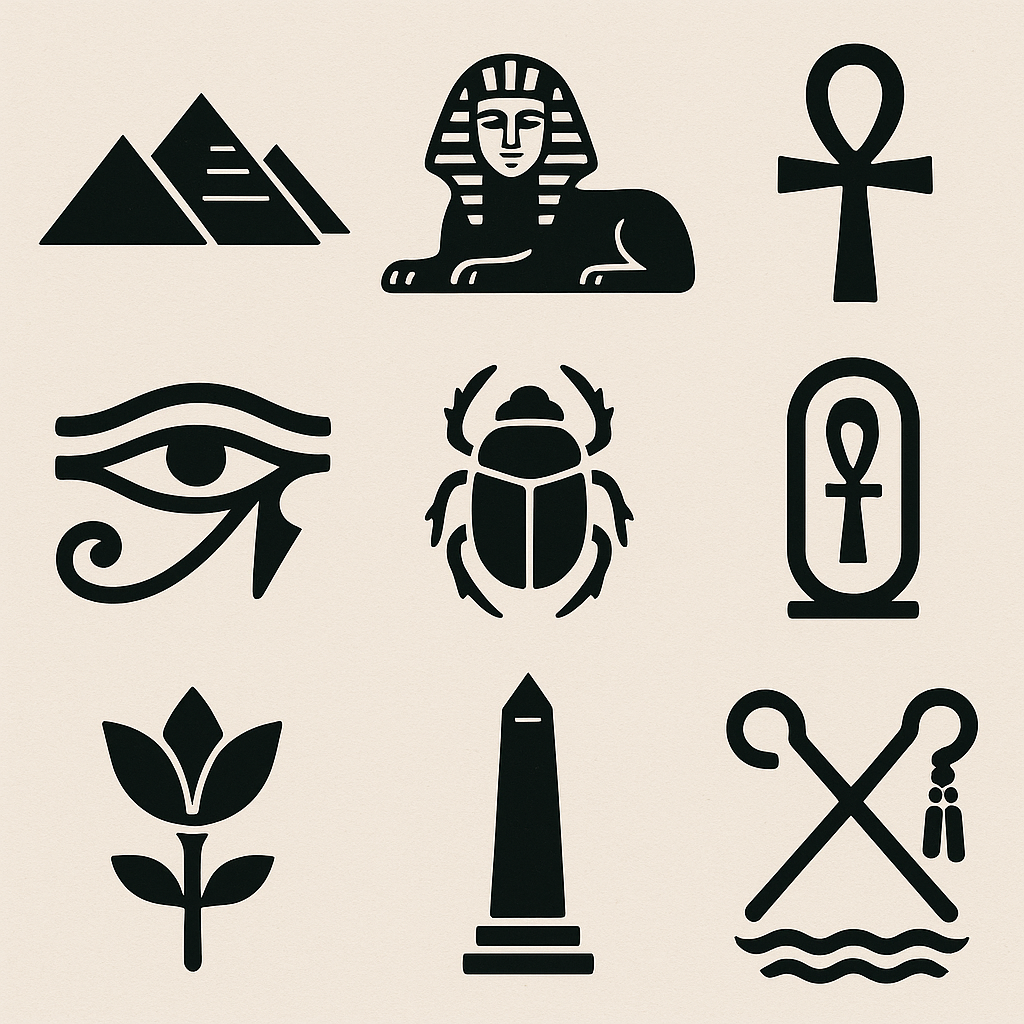
Pyramids of Giza
Iconic symbol of ancient Egyptian civilization and engineering.
The Sphinx
Symbol of mystery, power, and protection in ancient Egypt.
Ankh
Ancient symbol of life and immortality.
Eye of Horus
Symbol of protection, healing, and royal power.
Scarab Beetle
Represents rebirth and protection in Egyptian mythology.
Pharaoh’s Crown
Symbol of divine kingship and authority.
Hieroglyphics
Symbolize Egypt's language and cultural identity.
The Nile River
Symbol of fertility, life, and civilization.
Lotus Flower
Symbol of rebirth, purity, and the sun.
Obelisk
Symbol of the sun god Ra and Egyptian spirituality.
The Crook and Flail
Symbols of royal authority and leadership.
Temple of Karnak
Symbol of religious and historical power.
The Palm Branch
Represents victory and eternal life.
Cleopatra
Symbol of beauty, intelligence, and ancient power.
Tutankhamun’s Mask
Icon of ancient Egyptian art and legacy.
Papyrus
Symbol of writing, communication, and civilization.
Coptic Cross
Represents Egypt’s Christian heritage.
Felucca Boat
Traditional sailboat symbolizing life along the Nile.

Canada

Maple Leaf
The most recognized national symbol representing Canada’s nature and heritage.
Canadian Flag (Red and White)
Symbolizes unity, peace, and national identity.
Beaver
National animal symbolizing industriousness and survival.
Canada Goose
Iconic bird representing the Canadian wilderness.
The Mountie (RCMP)
Symbol of law, order, and national pride.
The Loon
Featured on the one-dollar coin; symbol of nature and solitude.
Hockey Stick & Puck
Symbols of Canada's national sport and cultural identity.
Moose
Represents the wildlife and wilderness of Canada.
The Inukshuk
Indigenous symbol representing guidance and survival.
Parliament Buildings
Symbol of Canadian government and democracy.
The Canoe
Represents exploration and Indigenous heritage.
Totem Pole
Symbol of Indigenous art and storytelling.
Red Serge Uniform
Traditional RCMP attire representing history and honor.
The Maple Tree
Represents nature, identity, and the source of maple syrup.
Niagara Falls
Icon of Canadian natural beauty and tourism.
The Loonie
The one-dollar coin, symbolic of national currency and identity.
Terry Fox
Symbol of courage, hope, and national unity.
Canadian Rockies
Symbolize the majesty and landscape of Western Canada.
Poppy Flower
Symbol of remembrance for fallen soldiers.
The Peace Tower
Icon of Canadian heritage and dedication to peace.

Spain

Spanish Flag (Rojigualda)
Represents Spain and its unity, consisting of red and yellow stripes with the national coat of arms.
The Coat of Arms of Spain
Official emblem representing the Spanish monarchy, history, and regions.
Bull (Toro)
Symbolizes strength, bravery, and the cultural tradition of bullfighting.
Flamenco Dancer
Represents Spain's iconic dance, music, and cultural heritage.
Sagrada Familia
Famous basilica in Barcelona, symbolizing Spanish art, architecture, and faith.
Don Quixote
Literary symbol of Spain from Miguel de Cervantes' famous novel.
La Tomatina Festival
Represents Spain's lively festivals and cultural celebrations.
Paella
Traditional Spanish dish symbolizing Spanish cuisine and regional pride.
Flamenco Guitar
Represents Spain's musical tradition and artistic expression.
Olive Tree
Symbolizes Spain's agricultural heritage and Mediterranean culture.
Spanish Royal Palace
Represents the monarchy and historic heritage of Spain.
Corrida de Toros (Bullfighting Arena)
Symbol of traditional Spanish sport and cultural history.
La Alhambra
Famous palace and fortress in Granada, representing Spain's Moorish history.
Spanish Guitar
Icon of Spain's music and cultural identity.
The Iberian Lynx
National animal symbolizing Spain's wildlife and natural heritage.
Castanets
Traditional percussion instrument representing Spanish music and dance.
Tomato (from La Tomatina Festival)
Represents Spain's famous festival and fun-loving culture.
Plaza Mayor
Famous public square in Madrid, symbolizing Spanish urban life and history.
The Spanish Armada
Historical symbol of Spain's naval power and history.
Cervantes Statue
Monument honoring Miguel de Cervantes and Spain’s literary heritage.

Italy

Italian Flag (Il Tricolore)
Represents Italy and its unity with green, white, and red vertical stripes.
The Colosseum
Ancient Roman amphitheater symbolizing Italy's history and architectural achievements.
Leaning Tower of Pisa
Famous tower representing Italian culture, architecture, and tourism.
Venice Gondola
Iconic symbol of Venice and Italian romantic waterways.
Michelangelo's David
Represents Italian Renaissance art and cultural heritage.
Pizza
Traditional Italian dish symbolizing Italy's culinary culture.
Spaghetti / Pasta
Represents Italy's world-famous cuisine and culinary traditions.
Vespa Scooter
Symbol of Italian design, mobility, and post-war culture.
Italian Coffee (Espresso)
Represents Italian coffee culture and lifestyle.
The Roman Forum
Historical site symbolizing ancient Roman civilization.
Mount Vesuvius
Famous volcano near Naples, symbolizing Italy's natural and historical heritage.
Italian Renaissance Architecture
Represents Italy's contributions to art, culture, and design.
St. Mark's Basilica
Famous Venetian cathedral representing Italy's religious and architectural heritage.
The Fiat 500
Iconic Italian car symbolizing Italian automotive design.
Italian Wine
Represents Italy’s viticulture and global culinary influence.
The Vatican City / St. Peter's Basilica
Represents the religious and historical significance of Italy.
Gelato
Traditional Italian ice cream, symbolizing Italian cuisine and culture.
Opera (La Scala)
Represents Italy's contribution to music, art, and culture.
Roman Gladiator
Symbol of ancient Rome and Italian history.
The Pantheon
Iconic Roman building representing Italy's architectural heritage.

Brazil

Brazilian Flag
Represents Brazil’s national pride, featuring green, yellow, blue, and a motto 'Ordem e Progresso'.
Christ the Redeemer
Iconic statue in Rio de Janeiro symbolizing Christianity and Brazilian hospitality.
Amazon Rainforest
Represents Brazil’s natural wealth, biodiversity, and environmental importance.
Jaguar
National animal symbolizing strength, power, and Brazil’s wildlife.
Carnival
Famous festival representing Brazil’s culture, music, dance, and joy.
Samba Dance
Symbol of Brazilian music, rhythm, and cultural identity.
Capoeira
Afro-Brazilian martial art and dance, representing history and cultural heritage.
Coffee
Represents Brazil’s global role as a top coffee producer and cultural tradition.
Football (Soccer)
Symbolizes Brazil’s passion for football and its success in the sport.
Iguazu Falls
Famous natural landmark representing Brazil’s stunning landscapes.
Amazon River
Represents Brazil’s geographical significance and natural resources.
Toucan
Iconic Brazilian bird representing the country’s biodiversity.
Pelé
Symbol of Brazil’s legendary football heritage.
Favela Murals
Represents Brazilian street art and urban culture.
Havanese Carnival Masks
Symbolic of Brazil’s colorful celebrations and traditions.
Pantanal Wetlands
Represents Brazil’s ecological diversity and conservation efforts.
Brazil Nut Tree
Symbolizes Brazil’s rainforest and natural resources.
Maracanã Stadium
Iconic sports venue representing Brazil’s football culture.
Favela Samba Schools
Represents community, culture, and musical traditions of Brazil.
National Congress of Brazil
Symbol of Brazilian democracy and political history.

Argentina

Argentine Flag
Represents Argentina’s national pride, with light blue and white stripes and a golden Sun of May.
Sun of May
National emblem symbolizing freedom and independence.
Obelisk of Buenos Aires
Iconic landmark representing Argentina’s capital and history.
Cristo Redentor de los Andes
Statue symbolizing peace and friendship between Argentina and Chile.
Mate
Traditional beverage representing Argentine culture and social customs.
Tango Dance
World-famous dance representing Argentina’s passion, music, and culture.
Gaucho
Symbol of Argentine rural life, freedom, and national heritage.
Pampas
Vast plains symbolizing Argentina’s agricultural heartland.
Andes Mountains
Natural landmark representing Argentina’s geography and natural beauty.
Buenos Aires Skyline
Represents Argentina’s modern urban culture and economic center.
Argentine Football (Soccer)
Symbol of national pride and international sporting success.
Maradona
Represents Argentina’s legendary football heritage.
Lion’s Mane Mushroom (Argentine National Fungus)
Represents Argentina’s biodiversity.
Iguazu Falls
Famous natural landmark shared with Brazil, symbolizing Argentina’s natural wonders.
Evita Perón
Historical figure symbolizing Argentina’s social and political history.
Patagonian Glaciers
Represents Argentina’s stunning natural landscapes.
Argentine Beef / Asado
Symbolizes Argentine cuisine and culinary culture.
Casa Rosada
Presidential palace in Buenos Aires representing Argentina’s government and history.
Argentine Condor
National bird symbolizing freedom and strength.
La Bombonera Stadium
Famous football stadium representing Argentina’s passion for soccer.

Mexico

Mexican Flag
Represents Mexico with green, white, and red stripes and the national coat of arms featuring an eagle and serpent.
Coat of Arms of Mexico
Symbolizes Mexican heritage, independence, and Aztec history.
Eagle and Serpent
Icon from the coat of arms representing the founding of Tenochtitlán.
Chichen Itza
Famous Mayan pyramid symbolizing Mexico’s ancient history and culture.
Sombrero
Traditional Mexican hat representing Mexican culture and heritage.
Mariachi
Represents Mexican music, culture, and festive traditions.
Tequila
Traditional Mexican spirit representing Mexico’s culinary and cultural heritage.
Day of the Dead (Día de los Muertos)
Famous festival celebrating life, death, and Mexican traditions.
Aztec Calendar Stone
Represents Mexico’s pre-Hispanic history and scientific knowledge.
Cactus / Nopal
Iconic plant symbolizing Mexico’s desert landscapes and national identity.
Frida Kahlo
Famous Mexican artist representing creativity, culture, and identity.
Lucha Libre
Professional wrestling tradition representing Mexican entertainment and popular culture.
Mexican Flag Colors in Cuisine
Red, white, and green used in traditional foods symbolizing Mexican pride.
Pan de Muerto
Traditional bread prepared for Día de los Muertos, representing Mexican customs.
The Angel of Independence
Famous monument in Mexico City symbolizing freedom and independence.
Cenotes
Natural sinkholes representing Mexico’s unique geography and natural beauty.
Teotihuacan Pyramids
Historical site representing Mexico’s pre-Columbian civilizations.
Sombrero Vueltiao
Symbol of Mexican traditional clothing and craftmanship.
Monarch Butterfly Migration
Natural phenomenon representing Mexico’s biodiversity and seasonal cycles.
Mexican Soccer (Football)
Represents national pride and love for the sport in Mexico.

Pakistan

Flag of Pakistan
Represents Pakistan with green and white colors, and a crescent and star symbolizing progress and light.
Coat of Arms of Pakistan
Symbolizes Pakistan’s national unity, agriculture, and heritage.
Crescent and Star
Icon on the flag representing progress and enlightenment.
Badshahi Mosque
Famous mosque in Lahore representing Islamic architecture and heritage.
Minar-e-Pakistan
Monument in Lahore symbolizing Pakistan’s independence and nationhood.
Truck Art
Colorful traditional vehicle decoration representing Pakistan’s folk art and culture.
Biryani
Famous Pakistani dish representing culinary richness and cultural diversity.
Eid Celebrations
Major Islamic festival representing cultural and religious traditions in Pakistan.
Mohenjo-Daro
Ancient Indus Valley civilization site representing Pakistan’s historical heritage.
K2 / Karakoram Mountains
Iconic mountain representing Pakistan’s natural beauty and adventure.
Shah Abdul Latif Bhittai
Famous Sufi poet representing Pakistan’s literary and spiritual heritage.
Cricket in Pakistan
Represents national passion and pride for the sport.
Traditional Dress (Shalwar Kameez)
National attire representing Pakistan’s cultural identity.
Cholistan Desert
Represents Pakistan’s unique geography and desert landscapes.
Faisal Mosque
Iconic mosque in Islamabad symbolizing Islamic architecture and modern design.
Truck Festivals / Jashn-e-Baharan
Cultural celebrations representing folk traditions and community gatherings.
Pakistan National Cricket Stadium
Famous stadium representing national sports culture and pride.
Truck Art Miniatures / Handicrafts
Represents Pakistan’s traditional craftsmanship and art forms.
Indus River
Historic and lifeline river symbolizing Pakistan’s civilization and geography.
Lahore Fort
Historical fort representing Mughal architecture and Pakistan’s rich history.

Israel

Flag of Israel
Represents Israel with blue and white colors and the Star of David symbolizing Jewish identity.
Coat of Arms of Israel
Symbolizes Israel’s national identity with the menorah and olive branches representing peace.
Star of David
Icon representing Jewish heritage, religion, and culture.
Western Wall (Kotel)
Famous religious site in Jerusalem representing Jewish faith and history.
Dead Sea
Unique natural landmark representing Israel’s geography and mineral-rich waters.
Masada
Ancient fortress symbolizing Israel’s history and resistance.
Tel Aviv Skyline
Represents modern Israel, innovation, and urban development.
Falafel
Traditional Middle Eastern dish representing Israeli culinary culture.
Yad Vashem
Holocaust memorial representing remembrance, history, and education.
Mount Herzl
National cemetery representing Israel’s leaders and historical figures.
Olive Trees
Symbolize peace, heritage, and Israel’s agriculture.
Hebrew Language
Represents cultural identity and the revival of ancient traditions.
Israeli Folk Dance (Hora)
Represents traditional music and dance culture.
Negev Desert
Iconic desert representing Israel’s unique landscapes and environment.
Church of the Holy Sepulchre
Religious site representing Christian heritage in Jerusalem.
Sea of Galilee
Historic and natural landmark representing Israel’s geography and biblical significance.
Modern Israeli Technology
Represents innovation, startups, and Israel’s role as a tech hub.
Jerusalem Old City
Historic area representing Israel’s cultural and religious heritage.
Israeli Wine
Represents Israel’s viticulture and culinary traditions.
Western Wall Tunnels
Archaeological site representing ancient history and heritage in Jerusalem.

Kuwait

Flag of Kuwait
Represents Kuwait with green, white, red, and black colors symbolizing Arab unity and independence.
Coat of Arms of Kuwait
Symbolizes national identity with a dhow sailing on blue and white waves and a falcon representing heritage.
Falcon
Represents strength, courage, and Kuwait’s cultural heritage.
Kuwait Towers
Iconic landmark representing Kuwait’s modern architecture and national pride.
Grand Mosque
Represents Islamic architecture, culture, and religious heritage.
Dhow Boats
Traditional wooden boats representing Kuwait’s maritime history and pearl diving culture.
Kuwaiti Traditional Dress (Dishdasha / Abaya)
Represents cultural identity and traditional clothing.
Camel Racing
Traditional sport representing Kuwaiti heritage and desert culture.
Falconry
Represents traditional hunting practices and cultural pride.
Kuwaiti Cuisine (Machboos)
Famous national dish representing culinary culture and heritage.
Al Shaheed Monument
War memorial representing Kuwait’s sacrifice and independence.
Sabah Al-Ahmad Sea City
Modern urban development representing Kuwait’s coastal lifestyle and innovation.
Kuwait National Museum
Represents history, archaeology, and national culture.
Desert Landscapes
Represents Kuwait’s natural environment and traditional Bedouin life.
Pearl Diving Heritage
Historical practice representing Kuwait’s economic and cultural history.
Seif Palace
Royal palace symbolizing Kuwait’s monarchy and architectural heritage.
Falcon Souks
Markets representing traditional trade and cultural activities.
Kuwait Liberation Tower
Represents Kuwait’s independence, modernization, and national pride.
Arabian Horses
Represents heritage, beauty, and traditional sports culture.
Souk Al-Mubarakiya
Traditional market representing Kuwaiti commerce and cultural life.

India

Flag of India (Tiranga)
Represents India with saffron, white, and green colors and the Ashoka Chakra symbolizing unity and progress.
Coat of Arms of India (Lion Capital of Ashoka)
Symbolizes India’s sovereignty, heritage, and national pride.
Taj Mahal
Famous mausoleum representing India’s history, architecture, and love stories.
India Gate
Monument in Delhi symbolizing national honor and remembrance of soldiers.
Lotus Temple
Modern religious landmark representing peace, unity, and architectural beauty.
Peacock
National bird representing beauty, grace, and Indian wildlife.
Biryani
Famous Indian dish representing culinary diversity and cultural richness.
Diwali Festival
Celebration of lights representing Hindu traditions and Indian culture.
Holi Festival
Festival of colors representing joy, unity, and cultural heritage.
Ganges River
Holy river representing spirituality, culture, and life in India.
Bollywood
India’s film industry representing entertainment, culture, and creativity.
Yoga
Traditional practice representing health, spirituality, and Indian philosophy.
Camel Festival in Rajasthan
Represents folk traditions and desert culture in India.
Indian Railways
Iconic transportation system representing India’s connectivity and development.
Saris and Traditional Dress
Represents India’s cultural identity and traditional clothing.
Elephants
Represents wildlife, heritage, and religious significance in India.
Charminar
Famous monument in Hyderabad representing India’s history and architecture.
Indian Classical Music and Dance
Represents India’s artistic traditions and cultural heritage.
Spices and Markets
Represents India’s culinary diversity and traditional commerce.
Jaipur Palaces and Forts
Represents royal heritage and architectural beauty in India.

Norway

Flag of Norway
Represents Norway with a red background, blue cross outlined in white, symbolizing independence and national identity.
Coat of Arms of Norway
Features a golden lion holding an axe on a red shield, symbolizing Norway’s sovereignty and royal heritage.
Viking Ship
Represents Norway’s Viking history, seafaring traditions, and cultural heritage.
Northern Lights (Aurora Borealis)
Natural phenomenon seen in Norway, representing beauty, nature, and Arctic geography.
Fjord Landscapes
Iconic natural landmarks representing Norway’s stunning scenery, tourism, and geography.
Stave Churches
Medieval wooden churches representing Norway’s architecture, history, and religious heritage.
Nobel Peace Prize (Oslo)
Represents Norway’s commitment to peace and international diplomacy.
King Harald V
Current monarch representing Norway’s constitutional monarchy and national unity.
Sami Culture Symbols
Represents the indigenous Sami people of Norway, their traditions, and reindeer herding.
The Troll
Folklore creature representing Norwegian myths, legends, and cultural storytelling.
Salmon
Represents Norway’s fishing industry, culinary traditions, and natural resources.
Skiing
Represents Norway’s winter sports heritage and its historical connection to skiing.
The Fram Ship
Historic exploration ship symbolizing Norway’s polar expeditions and maritime history.
Bryggen in Bergen
Historic wharf representing Norway’s Hanseatic trade history and wooden architecture.
Edvard Munch and The Scream
Represents Norway’s artistic heritage and international cultural influence.
Norwegian National Day (17th May)
Celebrates independence and national pride through parades and traditional costumes.
Rondane and Jotunheimen Mountains
Represents Norway’s natural beauty, outdoor adventure, and hiking culture.
Reindeer
Represents Norway’s wildlife, Sami culture, and Arctic environment.
Traditional Norwegian Knitting Patterns
Represents Norway’s textile traditions, cultural identity, and folk art.
Kjeragbolten
Famous rock formation symbolizing Norway’s unique landscapes and adventure tourism.

South Africa

Flag of South Africa
Represents South Africa with green, gold, black, white, red, and blue colors symbolizing unity, diversity, and national identity.
Coat of Arms of South Africa
Symbolizes South Africa’s sovereignty, heritage, and unity through elements like the secretary bird, spear, and protea.
Table Mountain
Iconic flat-topped mountain in Cape Town representing natural beauty and South Africa’s geography.
Kruger National Park
Represents wildlife conservation and South Africa’s rich biodiversity, including the Big Five animals.
Springbok
National animal representing agility, resilience, and sports heritage, especially rugby.
Protea Flower
National flower symbolizing beauty, diversity, and South Africa’s floral heritage.
Nelson Mandela
Represents the struggle for freedom, peace, and South Africa’s democratic transition.
Apartheid Museum
Represents South Africa’s history, struggle for equality, and social transformation.
Robben Island
Historic prison site symbolizing South Africa’s fight against apartheid and political resilience.
Zulu Shield and Spear
Represents the heritage, warrior traditions, and cultural identity of the Zulu people.
Cape of Good Hope
Historic landmark representing exploration, maritime history, and natural beauty.
Table Bay Lighthouse
Symbol of maritime navigation and South Africa’s coastal history.
African Penguin
Represents South Africa’s unique wildlife and conservation efforts along the coastline.
Big Five Animals
Lion, Leopard, Elephant, Rhino, and Buffalo symbolizing South Africa’s wildlife heritage and safari tourism.
Johannesburg Skyline
Represents economic growth, modern urban life, and South Africa’s largest city.
Bo-Kaap Houses
Colorful historic neighborhood in Cape Town representing cultural diversity and Cape Malay heritage.
Drakensberg Mountains
Represents scenic beauty, hiking, and South Africa’s natural landscapes.
Gold and Diamond Mining
Represents South Africa’s mineral wealth, history, and economic foundation.
Nelson Mandela Bridge
Modern landmark symbolizing connection, progress, and South Africa’s urban identity.
Braai (Barbecue)
Represents South African culinary culture, social gatherings, and traditions.

Bolivia

Flag of Bolivia
Represents Bolivia with red, yellow, and green horizontal stripes symbolizing bravery, wealth, and fertility.
Coat of Arms of Bolivia
Symbolizes Bolivia’s sovereignty, history, and natural richness through mountains, llamas, and wheat.
Salar de Uyuni
World’s largest salt flat representing Bolivia’s unique geography and natural beauty.
Lake Titicaca
Largest lake in South America representing cultural heritage, geography, and the origin of the Inca civilization.
Andean Condor
National bird symbolizing freedom, strength, and the Andean wildlife.
Potosí Cerro Rico
Historic silver mine representing Bolivia’s colonial history, wealth, and labor legacy.
Wiphala Flag
Represents indigenous peoples of the Andes, diversity, and cultural identity.
Tiwanaku Ruins
Ancient archaeological site representing pre-Columbian civilization and Bolivian history.
Madidi National Park
Represents Bolivia’s biodiversity, rainforest, and wildlife conservation efforts.
La Paz Cable Cars (Mi Teleférico)
Modern urban transportation symbol representing innovation and city life.
Llamas and Alpacas
Represents Bolivia’s traditional livestock, Andean culture, and economy.
Carnaval de Oruro
Famous festival representing Bolivian folklore, music, and religious traditions.
Salt Hotels on Uyuni
Unique architectural creations symbolizing Bolivia’s natural resources and tourism.
Cholita Wrestling
Represents Bolivian women’s empowerment, culture, and entertainment.
Coca Leaves
Cultural and traditional plant symbolizing indigenous heritage and local economy.
Mount Illimani
Iconic mountain representing Bolivia’s geography, identity, and natural beauty.
Bolivian Folk Music and Dance
Represents cultural traditions, festivals, and artistic heritage.
Sucre Historic Center
Colonial architecture representing Bolivia’s history and cultural heritage.
Bolivian Cuisine (Salteñas and Api)
Represents culinary traditions and national flavors of Bolivia.
National Pantheon of Heroes
Represents Bolivia’s national pride, history, and independence heroes.

Switzerland

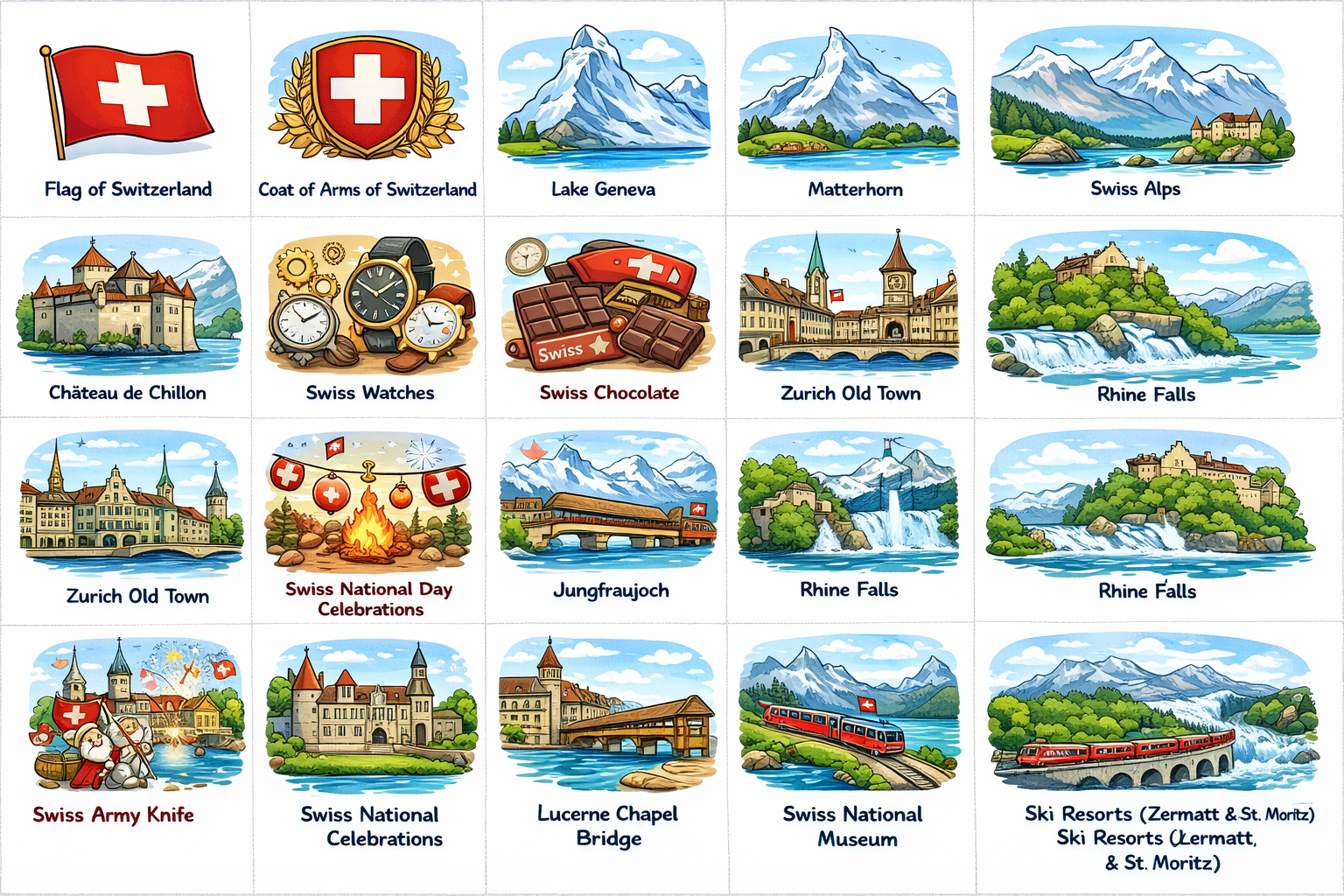
Flag of Switzerland
Represents the country with a red background and white cross, symbolizing neutrality, freedom, and national unity.
Coat of Arms of Switzerland
Depicts the white cross on a red shield, symbolizing Swiss identity, sovereignty, and unity.
Matterhorn
Iconic mountain representing Swiss natural beauty, alpine culture, and mountaineering heritage.
Lake Geneva
Largest lake in Switzerland, representing tourism, natural beauty, and cultural significance.
Swiss Alps
Mountain range symbolizing Switzerland’s landscapes, outdoor sports, and natural heritage.
Château de Chillon
Historic castle representing Swiss history, medieval architecture, and cultural identity.
Swiss Watches
Represents craftsmanship, precision engineering, and Switzerland’s global reputation in horology.
Swiss Chocolate
Represents culinary tradition, craftsmanship, and Switzerland’s iconic food culture.
Zurich Old Town
Historic city center symbolizing Swiss culture, architecture, and economic heritage.
Bern’s Zytglogge Clock Tower
Historic astronomical clock representing Swiss engineering, history, and urban heritage.
Swiss National Day Celebrations
Represents patriotism, culture, and national pride through festivals and events.
Jungfraujoch
High-altitude mountain pass symbolizing natural beauty, tourism, and Swiss engineering.
Rhine Falls
Largest waterfall in Switzerland, representing natural wonders, tourism, and scenic beauty.
Swiss Cheese (Emmental and Gruyère)
Represents culinary tradition, agriculture, and national heritage.
Swiss National Museum
Preserves Swiss history, culture, and artistic heritage.
Lucerne Chapel Bridge
Historic wooden bridge representing Swiss architecture, tourism, and cultural heritage.
Swiss Army Knife
Symbolizes Swiss innovation, practicality, and global recognition for multifunctional design.
Lugano Lake
Represents scenic beauty, tourism, and Switzerland’s diverse landscapes.
Ski Resorts (Zermatt and St. Moritz)
Symbolize outdoor sports, tourism, and Switzerland’s alpine lifestyle.
Rhaetian Railway in the Albula / Bernina Landscapes
UNESCO World Heritage railway symbolizing Swiss engineering, transport, and scenic beauty.

Algeria

Flag of Algeria
Represents the nation with green and white colors and a red crescent and star, symbolizing Islam, peace, and independence.
Coat of Arms of Algeria
Depicts mountains, a rising sun, and the crescent, representing freedom, natural wealth, and the country’s heritage.
Sahara Desert
World’s largest hot desert, representing Algeria’s vast landscapes, natural beauty, and nomadic culture.
Casbah of Algiers
Historic medina representing Algerian architecture, history, and cultural identity.
Tassili n’Ajjer
UNESCO World Heritage site featuring prehistoric rock art, representing Algeria’s ancient history and culture.
Djemila Ruins
Ancient Roman city ruins symbolizing Algeria’s historical and archaeological heritage.
Hoggar Mountains
Mountain range in the Sahara symbolizing natural beauty, nomadic life, and spiritual significance.
Algerian National Anthem
Represents national pride, history, and the struggle for independence.
Oran City
Coastal city representing Algerian culture, music, trade, and modern life.
Date Palms of Biskra
Symbolize agriculture, desert life, and economic importance in Algeria.
Algerian National Museum of Antiquities
Preserves Algeria’s historical artifacts, culture, and archaeological legacy.
Algiers Corniche
Coastal promenade representing urban life, tourism, and Mediterranean beauty.
M’Zab Valley
UNESCO site representing traditional architecture, social organization, and cultural heritage.
Algerian Traditional Clothing (Burnous and Kaftan)
Represents cultural heritage, traditional craftsmanship, and identity.
Hammamet Beach
Popular beach symbolizing Algeria’s Mediterranean coastline, tourism, and natural beauty.
Algerian Cuisine (Couscous and Chorba)
Represents culinary traditions, local flavors, and cultural identity.
National Liberation Struggle Monuments
Commemorates Algeria’s independence war, national pride, and historical memory.
Ahaggar Nomadic Culture
Represents the Tuareg lifestyle, traditions, and desert survival skills.
Algerian Date Festival
Celebration representing agriculture, culture, and local traditions.
Saharan Rock Art of Tassili
Ancient petroglyphs symbolizing early human history, art, and culture in Algeria.

Honduras

Flag of Honduras
Represents the country with blue and white horizontal stripes and five blue stars symbolizing the unity of Central America.
Coat of Arms of Honduras
Depicts a triangle with tools, towers, and the rainbow, representing freedom, mining history, and natural wealth.
Copán Ruins
Ancient Mayan archaeological site representing Honduras’ pre-Columbian history and cultural heritage.
Roatán Island
Famous Caribbean island symbolizing natural beauty, tourism, and marine biodiversity.
Pico Bonito National Park
Represents Honduras’ tropical rainforest, biodiversity, and ecological conservation efforts.
La Tigra National Park
Protected cloud forest area symbolizing wildlife conservation and natural heritage.
Mayan Stelae
Ancient carved monuments representing Mayan civilization, culture, and history in Honduras.
Cayos Cochinos
Archipelago representing Honduras’ pristine beaches, coral reefs, and eco-tourism.
Garifuna Culture
Represents Afro-Indigenous heritage, music, dance, and traditional celebrations.
Honduran Coffee
Represents agricultural tradition, economy, and the rich flavor of local coffee plantations.
Utila Island
Known for diving and whale shark sightings, symbolizing marine life and tourism.
La Ceiba Carnival
Famous festival representing cultural traditions, music, and community celebration.
Tela Botanical Gardens
Represents tropical flora, biodiversity, and conservation of Honduras’ natural environment.
Honduran Lempira Currency
Symbolizes national identity, economy, and historical legacy of resistance against colonial forces.
Bay Islands Coral Reefs
Represents marine biodiversity, conservation efforts, and tourism in Honduras.
Santa Rosa de Copán
Colonial town representing history, architecture, and Honduran culture.
Tela Beaches
Popular coastal destinations symbolizing tourism, recreation, and natural beauty.
Honduran National Bird (Scarlet Macaw)
Represents wildlife, national pride, and tropical biodiversity.
Copan Sculpture Museum
Preserves ancient Mayan art, culture, and historical heritage of Honduras.
Honduran Traditional Cuisine (Baleadas and Sopa de Caracol)
Represents national culinary traditions and local flavors.

Slovenia

Flag of Slovenia
Represents the country with white, blue, and red horizontal stripes and the national coat of arms, symbolizing freedom, history, and identity.
Coat of Arms of Slovenia
Depicts Mount Triglav, rivers, and stars, symbolizing the country’s geography, history, and aspirations.
Triglav Mountain
The highest peak in Slovenia, representing natural beauty, national pride, and outdoor culture.
Lake Bled
Iconic lake with a church on an island, symbolizing Slovenian tourism, natural beauty, and cultural heritage.
Ljubljana Castle
Historic fortress representing the capital’s history, medieval architecture, and national identity.
Slovenian Alps
Mountain range symbolizing natural landscapes, biodiversity, and adventure tourism.
Lipizzaner Horses
World-famous breed representing Slovenian equestrian tradition and cultural heritage.
Postojna Cave
Famous karst cave representing Slovenia’s natural wonders and geological heritage.
Škocjan Caves
UNESCO World Heritage site symbolizing Slovenia’s unique karst landscape and natural beauty.
Piran Coastal Town
Historic town on the Adriatic Sea representing maritime history, architecture, and tourism.
Slovenian Folk Costumes
Represents traditional culture, festivals, and regional identities.
Slovenian Cuisine (Potica and Jota)
Represents culinary traditions, national flavors, and cultural heritage.
Dragon of Ljubljana
Legendary symbol of Ljubljana representing strength, courage, and the city’s identity.
Sava River
Important river representing natural resources, trade routes, and Slovenian geography.
Soča River
Famous for its emerald waters, symbolizing adventure, nature, and outdoor activities.
Predjama Castle
Medieval castle built into a cave, symbolizing history, architecture, and Slovenian heritage.
Slovenian Wine Regions
Represents viticulture, tradition, and local agriculture.
National Park Triglav
Represents biodiversity, conservation, and natural beauty of Slovenia.
Slovenian Beekeeping and Carniolan Honeybee
Symbolizes ecological awareness, tradition, and Slovenian innovation in apiculture.
Maribor and Lent Festival
Cultural festival representing music, arts, and Slovenian heritage.

Netherlands

Flag of the Netherlands
Represents the country with horizontal stripes of red, white, and blue, symbolizing freedom, unity, and historical heritage.
Coat of Arms of the Netherlands
Symbolizes the monarchy, Dutch sovereignty, and national unity with the lion holding a sword and arrows.
Windmills of Kinderdijk
Iconic windmills representing Dutch engineering, water management, and cultural heritage.
Keukenhof Tulip Gardens
Famous gardens symbolizing Dutch horticulture, beauty, and the tulip’s historical economic importance.
Dutch Cheese (Gouda and Edam)
Represents the Netherlands’ culinary tradition, agriculture, and international trade legacy.
Amsterdam Canals
Historic canal system symbolizing Dutch urban planning, trade history, and cultural identity.
Cycling Culture
Represents the Netherlands’ sustainable transportation, urban lifestyle, and environmental awareness.
Clogs (Wooden Shoes)
Traditional footwear symbolizing Dutch rural life, craftsmanship, and cultural heritage.
Stroopwafels
Popular Dutch treat representing culinary tradition and local flavors.
Royal Palace of Amsterdam
Represents Dutch monarchy, history, and national heritage.
Dutch Masters (Rembrandt and Vermeer)
Represents the Netherlands’ contribution to art, culture, and the Golden Age of painting.
Delta Works
Engineering marvel representing Dutch expertise in water management and flood protection.
Dutch Lion
National symbol representing courage, strength, and historical pride.
National Windmill Day
Celebrates Dutch cultural heritage, historical technology, and rural life.
Holland Dunes and Beaches
Represents natural beauty, tourism, and coastal protection in the Netherlands.
Sinterklaas Festival
Traditional holiday representing Dutch folklore, cultural celebrations, and family customs.
Dutch Football (Soccer) Culture
Represents national pride, sports achievements, and community spirit.
Anne Frank House
Historic site representing the Netherlands’ World War II history, human rights, and memory of the Holocaust.
Dutch National Flag Days
Celebrations representing patriotism, royal family, and national pride.
Zaanse Schans
Open-air museum showcasing traditional Dutch architecture, crafts, and industrial heritage.

Belgium

Flag of Belgium
Represents the nation with black, yellow, and red vertical stripes, symbolizing independence, unity, and national identity.
Coat of Arms of Belgium
Depicts a lion and royal crown, representing sovereignty, strength, and the monarchy.
Atomium
Iconic Brussels landmark symbolizing scientific progress, innovation, and Belgian architecture.
Grand Place, Brussels
Historic central square representing Belgian culture, architecture, and heritage.
Manneken Pis
Famous Brussels statue symbolizing humor, tradition, and city identity.
Belgian Chocolate
Represents culinary excellence, craftsmanship, and Belgium’s global reputation in confectionery.
Belgian Waffles
Traditional sweet treat symbolizing Belgian culinary culture and tourism.
Medieval Bruges
Historic city representing architecture, canals, and cultural heritage.
Antwerp Diamond District
Symbolizes global trade, craftsmanship, and Belgium’s historic diamond industry.
Battlefields of Waterloo
Historic site representing European history, military heritage, and national significance.
Royal Palace of Brussels
Represents Belgian monarchy, history, and national pride.
Belgian Beer Culture
Symbolizes centuries-old brewing tradition, local flavors, and cultural heritage.
Ghent’s Belfry
Historic tower representing architecture, history, and medieval heritage.
Cinquantenaire Arch, Brussels
Symbolizes national pride, independence, and monumental architecture.
Meuse River
Important river representing geography, trade routes, and natural beauty.
Flemish Tapestries
Represents Belgian art, craftsmanship, and cultural heritage.
Belgian Fries (Frites)
Iconic food representing Belgian culinary tradition and local culture.
Comics and Tintin
Represents Belgium’s rich comic art tradition and cultural influence worldwide.
Ardennes Forest
Natural region representing outdoor activities, biodiversity, and scenic landscapes.
Belgian Carnival (Binche)
Traditional festival representing folklore, music, and cultural celebration.

United Arab Emirates

Flag of the United Arab Emirates
Represents national unity and Arab identity with red, green, white, and black colors symbolizing strength, peace, prosperity, and heritage.
Coat of Arms of the UAE
Features the golden falcon with a shield, symbolizing power, courage, and national unity.
Burj Khalifa
World’s tallest building representing ambition, modern engineering, and global innovation.
Sheikh Zayed Grand Mosque
Iconic religious landmark symbolizing Islamic culture, tolerance, and architectural beauty.
Falconry
Traditional practice representing heritage, hunting culture, and the bond between humans and nature.
Palm Jumeirah
Man-made island symbolizing innovation, luxury, and modern urban development.
Desert of the UAE
Represents natural beauty, Bedouin heritage, and traditional desert life.
Dubai Creek
Historic waterway symbolizing trade, maritime history, and economic development.
Al Ain Oasis
UNESCO-listed site representing agriculture, sustainability, and ancient settlement life.
Date Palm
Symbolizes sustenance, hospitality, and traditional Emirati agriculture.
Arabic Coffee (Gahwa)
Represents hospitality, generosity, and social traditions.
Traditional Dhow Boats
Symbolize seafaring heritage, pearl diving, and maritime trade.
Pearl Diving Heritage
Represents historical livelihood, resilience, and coastal culture.
Emirati Kandura and Abaya
Traditional clothing symbolizing cultural identity, modesty, and heritage.
Louvre Abu Dhabi
Represents cultural exchange, art, and global cooperation.
Burj Al Arab
Iconic luxury hotel symbolizing hospitality, innovation, and global recognition.
Jebel Jais
Highest mountain in the UAE representing natural beauty and adventure.
Qasr Al Watan
Presidential palace symbolizing governance, heritage, and national pride.
Traditional Emirati Majlis
Represents community gatherings, consultation, and social unity.
Camel
Symbol of endurance, desert life, and traditional transportation.

Tunisia

Flag of Tunisia
Represents national identity with red and white colors, featuring a crescent and star symbolizing Islam, unity, and sovereignty.
Coat of Arms of Tunisia
Depicts a ship, scales, and a lion, symbolizing freedom, justice, and strength.
Carthage Ruins
Ancient archaeological site representing Tunisia’s rich Phoenician and Roman heritage.
Amphitheatre of El Djem
Iconic Roman monument symbolizing architectural grandeur and historical significance.
Medina of Tunis
UNESCO World Heritage site representing Islamic architecture, culture, and traditional urban life.
Sahara Desert (Tunisia)
Represents vast landscapes, nomadic heritage, and natural beauty of southern Tunisia.
Great Mosque of Kairouan
One of the oldest mosques in North Africa, symbolizing Islamic history, learning, and spirituality.
Sidi Bou Said
Picturesque coastal village symbolizing Tunisian art, architecture, and Mediterranean charm.
Olive Tree
Represents agriculture, peace, and Tunisia’s long-standing olive oil tradition.
Tunisian Olive Oil
Symbolizes culinary heritage, economic importance, and Mediterranean lifestyle.
Traditional Fez (Chechia)
Represents traditional dress, craftsmanship, and cultural identity.
Couscous
Traditional dish symbolizing hospitality, family gatherings, and North African cuisine.
Harissa
Iconic chili paste representing bold flavors and Tunisian culinary culture.
Bardo National Museum
Renowned museum symbolizing Tunisia’s rich archaeological and artistic heritage.
Dougga Archaeological Site
Ancient Roman city representing historical depth and architectural excellence.
Matmata Troglodyte Houses
Traditional underground homes symbolizing adaptation to climate and Berber heritage.
Ksar Ouled Soltane
Historic Berber granary symbolizing communal life and desert architecture.
Cape Angela
Northernmost point of Africa representing geography and natural significance.
Chott el Jerid
Vast salt lake symbolizing unique landscapes and natural phenomena.
Tunisian Mosaic Art
Represents artistic mastery, Roman influence, and cultural continuity.

Kazakhstan

Flag of Kazakhstan
Represents national identity with a sky-blue field, golden sun, soaring steppe eagle, and traditional ornamental pattern symbolizing freedom, unity, and peace.
Coat of Arms of Kazakhstan
Features the shanyrak (yurt crown) and winged horses, symbolizing family, heritage, strength, and the unity of the nation.
Astana Skyline
Modern capital cityscape representing independence, innovation, and Kazakhstan’s future-oriented development.
Bayterek Tower
Iconic monument symbolizing rebirth, prosperity, and the legend of the Tree of Life.
Almaty
Cultural and economic center symbolizing history, education, and urban life at the foothills of the Tian Shan mountains.
Tian Shan Mountains
Majestic mountain range representing natural beauty, adventure, and ecological diversity.
Kazakh Steppe
Vast open grasslands symbolizing nomadic heritage, freedom, and traditional lifestyle.
Charyn Canyon
Dramatic canyon landscape symbolizing geological wonder and natural heritage.
Khan Shatyr
Architectural landmark symbolizing modern design, climate adaptation, and urban leisure.
Mausoleum of Khoja Ahmed Yasawi
UNESCO World Heritage site representing Islamic culture, spirituality, and medieval architecture.
Turkestan
Historic city symbolizing religious significance, trade routes, and cultural continuity.
Baikonur Cosmodrome
World’s first space launch facility symbolizing scientific achievement and space exploration.
Kazakh Yurt
Traditional portable dwelling symbolizing nomadic life, hospitality, and harmony with nature.
Shanyrak
Crown of the yurt symbolizing family, continuity, and the connection between generations.
Dombra
Traditional string instrument representing music, storytelling, and cultural expression.
Kazakh Eagle (Berkut)
Symbol of strength, freedom, and the ancient tradition of eagle hunting.
Beshbarmak
Traditional national dish symbolizing hospitality, respect, and shared family meals.
Kumis
Fermented mare’s milk representing nomadic traditions and ancestral cuisine.
Golden Man (Issyk Kurgan)
Archaeological treasure symbolizing ancient history, statehood, and cultural pride.
Kazakh Ornament Patterns
Traditional decorative motifs symbolizing nature, protection, and cultural identity.

Turkey

Flag of Turkey
Represents national identity with a red field, white crescent, and star symbolizing independence, sovereignty, and cultural heritage.
Coat of Arms (National Emblem) of Turkey
Symbolic emblem featuring the crescent and star, representing the unity of the Turkish nation and state.
Istanbul Skyline
Iconic cityscape symbolizing the meeting point of Europe and Asia, history, and cultural diversity.
Hagia Sophia
Historic monument symbolizing Byzantine and Ottoman heritage, architecture, and religious transformation.
Blue Mosque (Sultan Ahmed Mosque)
Architectural masterpiece symbolizing Ottoman Islamic art, spirituality, and imperial power.
Topkapi Palace
Former Ottoman imperial palace symbolizing governance, luxury, and historical continuity.
Grand Bazaar
One of the oldest and largest covered markets, symbolizing trade, craftsmanship, and cultural exchange.
Cappadocia Fairy Chimneys
Unique volcanic landscapes symbolizing natural wonder, ancient settlements, and tourism.
Pamukkale Travertines
White thermal terraces symbolizing natural beauty, healing waters, and geological uniqueness.
Mount Ararat
Turkey’s highest peak symbolizing mythology, natural grandeur, and national geography.
Ephesus Ancient City
Well-preserved ancient city symbolizing Greek and Roman heritage and historical depth.
Troy Archaeological Site
Legendary city symbolizing epic history, mythology, and archaeological significance.
Anıtkabir
Mausoleum of Mustafa Kemal Atatürk symbolizing modern Turkey, secularism, and national unity.
Whirling Dervishes (Mevlevi Order)
Spiritual ritual symbolizing Sufism, devotion, and inner harmony.
Turkish Coffee
Cultural tradition symbolizing hospitality, social interaction, and daily life.
Baklava
Traditional dessert symbolizing culinary artistry and Ottoman-era cuisine.
Turkish Tea (Çay)
Everyday beverage symbolizing friendship, hospitality, and social connection.
Nazar Boncuğu (Evil Eye)
Protective amulet symbolizing folklore, belief, and cultural tradition.
Iznik Tiles
Decorative ceramic art symbolizing Ottoman craftsmanship and artistic excellence.
Traditional Turkish Carpet
Handwoven textile symbolizing craftsmanship, regional identity, and cultural heritage.

Philippines

Flag of the Philippines
Represents national identity with blue, red, and white colors, a golden sun, and three stars symbolizing unity, freedom, and sovereignty.
Coat of Arms of the Philippines
Features national symbols including the sun and stars, representing independence, democracy, and historical struggle.
Manila Skyline
Capital cityscape symbolizing political power, economic activity, and urban life.
Rizal Monument
National monument symbolizing patriotism, sacrifice, and the fight for independence.
Intramuros
Historic walled city symbolizing Spanish colonial heritage and early urban development.
Banaue Rice Terraces
UNESCO World Heritage site symbolizing indigenous ingenuity, agriculture, and harmony with nature.
Chocolate Hills
Unique geological formation symbolizing natural wonder and regional identity of Bohol.
Mayon Volcano
Perfectly cone-shaped volcano symbolizing natural beauty, resilience, and geographic significance.
Taal Volcano
One of the world’s smallest active volcanoes symbolizing geological uniqueness and natural power.
Puerto Princesa Underground River
UNESCO World Heritage site symbolizing biodiversity, conservation, and natural heritage.
Boracay Beach
Famous white-sand beach symbolizing tourism, leisure, and tropical beauty.
Jeepney
Iconic public transport symbolizing creativity, resilience, and Filipino daily life.
Bahay Kubo
Traditional stilt house symbolizing simplicity, sustainability, and rural culture.
Barong Tagalog
Traditional formal attire symbolizing national identity and craftsmanship.
Tinikling
Traditional dance symbolizing rhythm, agility, and cultural expression.
Karaoke (Videoke)
Popular pastime symbolizing joy, community bonding, and Filipino love for music.
Adobo
National dish symbolizing culinary heritage, family, and shared meals.
Lechon
Festive roasted pig dish symbolizing celebration, hospitality, and tradition.
Halo-Halo
Popular dessert symbolizing diversity, creativity, and tropical flavors.
Sampaguita
National flower symbolizing purity, humility, and grace.

Uzbekistan

Flag of Uzbekistan
Represents national identity with blue, white, and green stripes, red lines, crescent, and stars symbolizing peace, renewal, and independence.
Coat of Arms of Uzbekistan
Features the Huma bird, rising sun, wheat, and cotton, symbolizing happiness, prosperity, and national unity.
Tashkent Skyline
Capital cityscape symbolizing modernization, governance, and cultural life.
Registan Square
Iconic architectural ensemble symbolizing Islamic art, education, and historical greatness.
Samarkand
Ancient Silk Road city symbolizing trade, science, and cultural exchange.
Bukhara Historic Center
UNESCO World Heritage site symbolizing religious scholarship and preserved medieval urban life.
Khiva (Itchan Kala)
Walled inner city symbolizing Silk Road heritage and traditional architecture.
Gur-e-Amir Mausoleum
Resting place of Amir Timur symbolizing imperial power and Timurid architecture.
Shah-i-Zinda
Sacred necropolis symbolizing spirituality, pilgrimage, and exquisite tilework.
Ulugh Beg Observatory
Historic scientific site symbolizing astronomy, knowledge, and innovation.
Kalyan Minaret
Landmark tower symbolizing Islamic architecture and historical resilience.
Silk Road
Ancient trade network symbolizing commerce, diplomacy, and cultural interaction.
Uzbek Suzani
Traditional embroidered textile symbolizing craftsmanship, protection, and family heritage.
Uzbek Ikat (Adras)
Colorful woven fabric symbolizing artistic expression and regional identity.
Doppa (Traditional Cap)
Traditional headwear symbolizing cultural identity and everyday life.
Plov (Osh)
National dish symbolizing hospitality, celebration, and communal dining.
Non (Uzbek Bread)
Round flatbread symbolizing respect, sustenance, and tradition.
Uzbek Tea Culture
Tea rituals symbolizing hospitality, friendship, and social harmony.
Cotton Fields
Symbol of agriculture, economic history, and rural life.
Traditional Tilework
Intricate ceramic art symbolizing Islamic aesthetics and cultural continuity.

Iraq

Flag of Iraq
Represents national identity with red, white, and black stripes and the Takbir inscription symbolizing unity, history, and sovereignty.
Coat of Arms of Iraq
Features the golden Eagle of Saladin, symbolizing strength, Arab unity, and national pride.
Baghdad Skyline
Capital cityscape symbolizing political authority, culture, and historical importance.
Tigris and Euphrates Rivers
Ancient rivers symbolizing life, civilization, and the cradle of Mesopotamia.
Mesopotamia
Historic region symbolizing the birthplace of writing, law, and early civilization.
Babylon Ruins
Ancient city symbolizing early urban development, law, and monumental architecture.
Ishtar Gate
Iconic Babylonian structure symbolizing artistic mastery and imperial power.
Ziggurat of Ur
Ancient temple tower symbolizing religious devotion and Sumerian architecture.
Erbil Citadel
UNESCO World Heritage site symbolizing continuous human settlement and resilience.
Samarra Great Mosque
Historic mosque symbolizing Abbasid architecture and Islamic scholarship.
Al-Mustansiriya School
Medieval educational institution symbolizing learning, science, and intellectual heritage.
Baghdad House of Wisdom
Historic center of learning symbolizing knowledge, translation, and scientific advancement.
Imam Ali Shrine (Najaf)
Sacred site symbolizing faith, pilgrimage, and spiritual significance.
Imam Husayn Shrine (Karbala)
Important religious shrine symbolizing devotion, sacrifice, and justice.
Traditional Iraqi Carpet
Handwoven textile symbolizing craftsmanship, heritage, and regional identity.
Abaya and Dishdasha
Traditional clothing symbolizing cultural values, modesty, and identity.
Masgouf
Traditional grilled fish dish symbolizing river culture and Iraqi cuisine.
Dolma
Popular dish symbolizing hospitality, family traditions, and culinary heritage.
Iraqi Date Palms
Symbol of agriculture, abundance, and historical trade importance.
Cuneiform Writing
One of the world’s earliest writing systems symbolizing intellectual innovation and history.

Greece

Flag of Greece
Represents national identity with blue and white stripes and a cross symbolizing Greek Orthodoxy, freedom, and heritage.
Coat of Arms of Greece
Features a white cross on a blue shield surrounded by laurel branches symbolizing history, victory, and national pride.
Athens Skyline
Capital cityscape symbolizing political authority, culture, and historical significance.
Acropolis of Athens
Ancient citadel symbolizing classical architecture, philosophy, and the cradle of Western civilization.
Parthenon
Iconic temple symbolizing ancient Greek art, architecture, and cultural achievement.
Delphi
Ancient sanctuary symbolizing religious heritage, prophecy, and historical significance.
Olympia
Historic site symbolizing the birthplace of the Olympic Games, athletic excellence, and cultural heritage.
Santorini
Famous island symbolizing scenic beauty, tourism, and traditional Cycladic architecture.
Mykonos
Popular island symbolizing tourism, nightlife, and Greek island culture.
Mount Olympus
Highest mountain in Greece symbolizing mythology, natural beauty, and historical significance.
Meteora
Monasteries perched on rock pillars symbolizing spiritual devotion, architecture, and scenic wonder.
Greek Orthodox Churches
Religious buildings symbolizing faith, history, and cultural identity.
Traditional Greek Cuisine
Dishes such as moussaka, souvlaki, and tzatziki symbolizing flavor, heritage, and culinary tradition.
Greek Festivals
Cultural celebrations symbolizing music, dance, and community life.
Delos
Historic island symbolizing ancient Greek civilization, trade, and mythology.
Rhodes Old Town
Medieval city symbolizing history, architecture, and cultural heritage.
Thessaloniki
Historic city symbolizing trade, Byzantine heritage, and modern urban life.
Epidaurus Theatre
Ancient theatre symbolizing classical architecture, performing arts, and cultural legacy.
Corfu
Island symbolizing Venetian influence, natural beauty, and tourism.
Greek Mythology
Stories and legends symbolizing cultural heritage, literature, and historical imagination.

Libya

Flag of Libya
Represents national identity with red, black, and green stripes and a white crescent and star symbolizing freedom, Islam, and unity.
Coat of Arms of Libya
Features the crescent and star emblem symbolizing Islamic heritage, national sovereignty, and unity.
Tripoli Skyline
Capital cityscape symbolizing political authority, economic activity, and cultural life.
Red Castle (Assaraya al-Hamra)
Historic fortress symbolizing Tripoli’s history, defense, and architectural heritage.
Leptis Magna
Ancient Roman city ruins symbolizing historical significance, architecture, and early civilization.
Sabratha
Archaeological site symbolizing Roman heritage, cultural history, and tourism.
Cyrene
Ancient Greek and Roman city symbolizing early civilization, culture, and historical legacy.
Ghadames Old Town
UNESCO World Heritage site symbolizing traditional architecture, desert life, and cultural continuity.
Sahara Desert
Vast desert landscape symbolizing natural beauty, endurance, and nomadic heritage.
Jebel Akhdar
Mountainous region symbolizing natural landscapes, agriculture, and scenic beauty.
Libyan Mediterranean Coast
Coastal region symbolizing trade, tourism, and historical maritime connections.
Olive Groves of Libya
Agricultural landscapes symbolizing sustenance, tradition, and economic heritage.
Libyan Cuisine
Traditional dishes symbolizing cultural heritage, flavor, and regional identity.
Bazars and Souks
Traditional markets symbolizing trade, social life, and cultural expression.
Islamic Architecture in Libya
Mosques and historic buildings symbolizing faith, artistry, and heritage.
Cyrenaica Region
Historic area symbolizing ancient settlements, cultural history, and regional identity.
Fezzan Region
Desert region symbolizing nomadic culture, natural landscapes, and historical trade routes.
Libyan Handicrafts
Artisan works symbolizing cultural expression, tradition, and local identity.
Roman Theatres in Libya
Ancient performance spaces symbolizing art, history, and architectural achievement.
Libyan National Museums
Cultural institutions symbolizing history, archaeology, and preservation of heritage.

Wales

Flag of Wales
Represents national identity with a red dragon on a green and white field symbolizing heritage, strength, and Welsh pride.
Coat of Arms of Wales
Features the red dragon and heraldic symbols representing monarchy, history, and regional identity.
Cardiff Skyline
Capital cityscape symbolizing political authority, culture, and economic development.
Cardiff Castle
Historic fortress symbolizing heritage, architecture, and national history.
Snowdonia National Park
Mountainous landscape symbolizing natural beauty, outdoor adventure, and Welsh heritage.
Mount Snowdon
Highest peak in Wales symbolizing natural grandeur, hiking, and resilience.
Conwy Castle
Medieval fortress symbolizing history, architecture, and national pride.
Caernarfon Castle
Iconic castle symbolizing monarchy, historical defense, and Welsh identity.
Brecon Beacons National Park
Scenic park symbolizing nature, outdoor recreation, and Welsh landscapes.
Pembrokeshire Coast
Coastal area symbolizing natural beauty, maritime culture, and tourism.
Welsh Language
Celtic language symbolizing heritage, cultural identity, and national pride.
Eisteddfod Festival
Traditional cultural festival symbolizing music, poetry, and artistic expression.
Welsh Folk Music
Cultural tradition symbolizing storytelling, heritage, and community identity.
Welsh Rarebit
Traditional dish symbolizing culinary heritage, flavor, and national culture.
Llangollen International Musical Eisteddfod
Global festival symbolizing music, cultural exchange, and tradition.
St. David’s Cathedral
Historic cathedral symbolizing religion, architecture, and spiritual heritage.
Harlech Castle
Medieval fortress symbolizing historical defense, architecture, and national pride.
Anglesey Island
Island landscape symbolizing heritage, natural beauty, and cultural significance.
Welsh Coal Mining Heritage
Industrial history symbolizing labor, community, and regional identity.
Cardigan Bay Dolphins
Marine wildlife symbolizing natural beauty, biodiversity, and ecotourism.

Scotland

Flag of Scotland (Saltire)
Represents national identity with a white diagonal cross on a blue background symbolizing Saint Andrew and Scottish heritage.
Coat of Arms of Scotland
Features a red lion rampant on a yellow shield symbolizing courage, strength, and royal lineage.
Edinburgh Skyline
Capital cityscape symbolizing political authority, culture, and historic architecture.
Edinburgh Castle
Historic fortress symbolizing monarchy, military history, and national pride.
Holyrood Palace
Royal residence symbolizing monarchy, Scottish heritage, and ceremonial tradition.
Loch Ness
Famous lake symbolizing natural beauty, legend, and Scottish folklore.
Ben Nevis
Highest mountain in Scotland symbolizing natural grandeur, outdoor adventure, and resilience.
Stirling Castle
Historic fortress symbolizing Scottish history, battles, and royal heritage.
Isle of Skye
Scenic island symbolizing rugged landscapes, natural beauty, and cultural traditions.
Scottish Highlands
Mountainous region symbolizing history, folklore, and dramatic landscapes.
Scottish Whisky
Traditional spirit symbolizing craftsmanship, heritage, and national identity.
Tartan and Kilts
Traditional attire symbolizing clan heritage, cultural identity, and pride.
Bagpipes
Musical instrument symbolizing Scottish culture, tradition, and ceremonial heritage.
Glasgow Skyline
Major cityscape symbolizing commerce, arts, and industrial history.
Culloden Battlefield
Historic site symbolizing the Jacobite uprising, remembrance, and national history.
Eilean Donan Castle
Iconic castle symbolizing romantic architecture, heritage, and tourism.
Scottish Festivals (e.g., Highland Games)
Cultural events symbolizing tradition, athleticism, and community pride.
Forth Bridge
Engineering landmark symbolizing industrial innovation, connectivity, and heritage.
Scottish Literature and Poetry
Cultural heritage symbolizing storytelling, national identity, and artistic expression.
Lochs and Glens
Natural landscapes symbolizing beauty, outdoor life, and Scotland’s unique terrain.

United Kingdom

Flag of the United Kingdom (Union Jack)
Represents national identity with the combined crosses of England, Scotland, and Ireland symbolizing unity, history, and sovereignty.
Coat of Arms of the United Kingdom
Features a lion and unicorn supporting a shield symbolizing monarchy, strength, and national heritage.
London Skyline
Capital cityscape symbolizing political authority, economic power, and cultural influence.
Big Ben and Houses of Parliament
Iconic landmarks symbolizing governance, history, and British democracy.
Tower of London
Historic fortress symbolizing monarchy, history, and national security.
Buckingham Palace
Royal residence symbolizing the monarchy, tradition, and ceremonial heritage.
Stonehenge
Ancient monument symbolizing prehistoric culture, mystery, and historical significance.
Edinburgh Castle
Historic fortress symbolizing Scottish history, heritage, and architectural beauty.
Loch Ness
Famous lake symbolizing natural beauty, legend, and Scottish folklore.
Welsh Castles
Medieval fortifications symbolizing history, architecture, and regional identity.
Giant’s Causeway
UNESCO World Heritage site in Northern Ireland symbolizing geological wonder and legend.
British Museum
Cultural institution symbolizing global history, art, and knowledge preservation.
Shakespeare’s Globe Theatre
Historic theatre symbolizing literature, performing arts, and cultural heritage.
The Beatles (Liverpool)
Iconic band symbolizing music innovation, cultural impact, and global influence.
Afternoon Tea
Cultural tradition symbolizing hospitality, social life, and British culinary heritage.
Fish and Chips
Popular dish symbolizing national cuisine, everyday life, and cultural identity.
The Lake District
Scenic region symbolizing natural beauty, poetry, and outdoor recreation.
Hadrian’s Wall
Roman fortification symbolizing historical legacy, defense, and archaeology.
Westminster Abbey
Historic church symbolizing monarchy, religion, and ceremonial tradition.
British Countryside
Rural landscapes symbolizing heritage, tradition, and pastoral beauty.

Liechtenstein

Flag of Liechtenstein
Represents national identity with blue and red horizontal stripes and a golden crown symbolizing unity, sovereignty, and monarchy.
Coat of Arms of Liechtenstein
Features a shield with heraldic symbols representing the princely family, historic regions, and national pride.
Vaduz Skyline
Capital cityscape symbolizing governance, cultural institutions, and national identity.
Vaduz Castle
Historic castle symbolizing monarchy, heritage, and the residence of the princely family.
Malbun Ski Resort
Alpine resort symbolizing winter sports, tourism, and natural beauty.
Liechtenstein National Museum
Cultural institution symbolizing history, art, and the preservation of national heritage.
Kunstmuseum Liechtenstein
Modern art museum symbolizing creativity, cultural development, and contemporary artistic expression.
Rhein River
Major river symbolizing natural landscapes, trade, and historical significance.
Gutenberg Castle Ruins
Historic site symbolizing medieval architecture, heritage, and regional history.
Liechtenstein Alps
Mountainous landscapes symbolizing natural beauty, hiking, and outdoor adventure.
Vaduz Cathedral (Cathedral of St. Florin)
Religious site symbolizing faith, architecture, and community tradition.
National Day Celebrations
Annual festivities symbolizing national pride, unity, and cultural heritage.
Liechtenstein Folklore
Traditional customs symbolizing local identity, heritage, and communal life.
Liechtenstein Cuisine
Local dishes symbolizing cultural heritage, Alpine influences, and culinary tradition.
Vaduz Wine Cellars
Wine culture symbolizing local production, gastronomy, and tradition.
Balzers Village
Historic village symbolizing rural life, heritage, and scenic beauty.
Triesenberg
Mountain village symbolizing traditional Walser culture and Alpine heritage.
Liechtenstein National Library
Cultural institution symbolizing knowledge, history, and national heritage preservation.
Liechtenstein Postal Museum
Historic museum symbolizing communication, culture, and philatelic heritage.
Vaduz Art Trail
Cultural pathway symbolizing contemporary art, community engagement, and public creativity.

Ireland

Flag of Ireland
Represents national identity with green, white, and orange stripes symbolizing Irish heritage, peace, and the union of different traditions.
Coat of Arms of Ireland
Features a golden harp on a blue shield symbolizing cultural heritage, music, and national pride.
Dublin Skyline
Capital cityscape symbolizing governance, economic activity, and cultural life.
Trinity College and the Book of Kells
Historic institution symbolizing education, religious heritage, and literary achievement.
Cliffs of Moher
Dramatic coastal cliffs symbolizing natural beauty, tourism, and Ireland’s rugged landscape.
Giant’s Causeway
UNESCO World Heritage site symbolizing geological wonder, legend, and natural heritage.
Ring of Kerry
Scenic route symbolizing cultural landscapes, history, and natural beauty.
Blarney Castle
Historic fortress symbolizing folklore, legend, and architectural heritage.
St. Patrick’s Cathedral
Historic cathedral symbolizing religion, architecture, and national heritage.
Galway Bay
Coastal landscape symbolizing maritime culture, music, and scenic charm.
Traditional Irish Music
Cultural heritage symbolizing folk tradition, storytelling, and community spirit.
Irish Dance
Performing art symbolizing cultural expression, tradition, and national pride.
Irish Pubs
Social institutions symbolizing community, hospitality, and cultural identity.
Irish Whiskey
Traditional spirit symbolizing craftsmanship, heritage, and national identity.
Irish Soda Bread
Traditional food symbolizing rural heritage, everyday life, and culinary culture.
Lough Neagh
Largest lake in Ireland symbolizing natural resources, history, and ecological significance.
Newgrange
Ancient passage tomb symbolizing prehistoric culture, astronomy, and spiritual heritage.
Aran Islands
Island group symbolizing traditional life, rugged landscapes, and cultural preservation.
Irish Folklore and Legends
Stories and myths symbolizing national identity, history, and cultural imagination.
Wild Atlantic Way
Scenic coastal route symbolizing tourism, natural beauty, and adventurous exploration.

Singapore

Flag of Singapore
Represents national identity with red and white colors and a crescent with five stars symbolizing democracy, peace, progress, justice, and equality.
Coat of Arms of Singapore
Features a lion and tiger supporting a shield symbolizing strength, courage, and the nation’s heritage.
Marina Bay Skyline
Modern cityscape symbolizing economic growth, urban planning, and global financial significance.
Marina Bay Sands
Iconic integrated resort symbolizing architectural innovation, tourism, and modern luxury.
Gardens by the Bay
Futuristic garden complex symbolizing sustainability, innovation, and environmental beauty.
Merlion
National icon symbolizing Singapore’s history as a fishing village and its identity as a global city.
Sentosa Island
Tourist destination symbolizing leisure, recreation, and tropical beauty.
Raffles Hotel
Historic hotel symbolizing colonial heritage, luxury, and cultural legacy.
Chinatown, Little India, and Kampong Glam
Ethnic districts symbolizing multiculturalism, heritage, and community identity.
Singapore Botanic Gardens
UNESCO World Heritage site symbolizing nature conservation, scientific research, and cultural value.
Hawker Centres
Food markets symbolizing culinary diversity, local culture, and social gathering.
Chilli Crab
Iconic dish symbolizing Singaporean cuisine, flavor, and coastal heritage.
Laksa
Spicy noodle soup symbolizing Peranakan culture, culinary fusion, and local taste.
Peranakan Culture
Cultural heritage symbolizing Chinese-Malay fusion, traditional arts, and community identity.
Singapore Flyer
Observation wheel symbolizing tourism, modern architecture, and panoramic views.
Esplanade – Theatres on the Bay
Performing arts center symbolizing cultural expression, creativity, and arts promotion.
Singapore River
Historic waterway symbolizing trade, colonial history, and urban transformation.
Pulau Ubin
Rural island landscape symbolizing traditional village life and natural heritage.
Singapore Zoo and Night Safari
Wildlife attractions symbolizing biodiversity, conservation, and education.
National Day Parade
Annual celebration symbolizing national pride, unity, and civic identity.

Vietnam

Flag of Vietnam
Represents national identity with a red background and yellow star symbolizing revolution, unity, and the nation’s heritage.
Coat of Arms of Vietnam
Features a cogwheel and rice ears symbolizing agriculture, industry, and national unity.
Hanoi Skyline
Capital cityscape symbolizing political authority, culture, and historical significance.
Ho Chi Minh City Skyline
Largest cityscape symbolizing economic vitality, modern development, and urban life.
Ho Chi Minh Mausoleum
Historic monument symbolizing revolutionary history, national pride, and leadership.
Temple of Literature
Historic site symbolizing education, Confucian heritage, and scholarly tradition.
Ha Long Bay
UNESCO World Heritage site symbolizing natural beauty, limestone karsts, and cultural tourism.
Phong Nha-Kẻ Bàng National Park
UNESCO-listed park symbolizing caves, biodiversity, and natural heritage.
Cu Chi Tunnels
Historic site symbolizing wartime resilience, ingenuity, and revolutionary history.
My Son Sanctuary
Ancient Hindu temple complex symbolizing Cham civilization, spirituality, and cultural heritage.
Ao Dai
Traditional attire symbolizing elegance, national identity, and cultural pride.
Vietnamese Water Puppetry
Traditional performing art symbolizing folklore, storytelling, and cultural heritage.
Banh Mi
Popular sandwich symbolizing culinary fusion, street food culture, and everyday life.
Pho
Iconic noodle soup symbolizing national cuisine, tradition, and flavor.
Tet Festival
Lunar New Year celebration symbolizing family, tradition, and cultural renewal.
Mekong Delta
Riverine landscape symbolizing agriculture, livelihoods, and natural abundance.
Sa Pa Terraces
Rice terraces symbolizing ethnic culture, traditional farming, and scenic beauty.
Imperial City of Hue
Historic citadel symbolizing royal heritage, architecture, and Vietnamese history.
Cham Islands
Marine biodiversity area symbolizing ecological importance, tourism, and natural beauty.
Vietnamese Coffee Culture
Distinctive coffee tradition symbolizing social life, flavor, and cultural identity.

Indonesia

Flag of Indonesia
Represents national identity with red and white stripes symbolizing courage, purity, and the nation’s heritage.
Coat of Arms of Indonesia (Garuda Pancasila)
Features the Garuda bird and shield symbolizing strength, national ideology, and unity of the archipelago.
Jakarta Skyline
Capital cityscape symbolizing economic growth, modern development, and cultural diversity.
Borobudur Temple
UNESCO World Heritage Buddhist monument symbolizing spirituality, history, and architectural mastery.
Prambanan Temple
Hindu temple complex symbolizing religious heritage, art, and ancient civilization.
Bali Rice Terraces
Iconic agricultural landscape symbolizing harmony with nature, culture, and traditional farming practices.
Komodo National Park
UNESCO-listed park symbolizing unique wildlife, biodiversity, and conservation efforts.
Mount Bromo
Active volcano symbolizing natural beauty, adventure, and cultural significance.
Raja Ampat Islands
Tropical archipelago symbolizing marine biodiversity, ecotourism, and scenic beauty.
Wayang Kulit (Shadow Puppets)
Traditional performing art symbolizing storytelling, culture, and heritage.
Batik Textiles
Traditional cloth symbolizing craftsmanship, regional identity, and artistic expression.
Gamelan Music
Traditional ensemble music symbolizing harmony, ritual, and cultural legacy.
Indonesian Traditional Attire
Clothing such as Kebaya and Batik sarongs symbolizing cultural identity and heritage.
Sate (Satay)
Popular dish symbolizing culinary diversity, flavor, and everyday tradition.
Nasi Goreng
National dish symbolizing comfort, street food culture, and Indonesian cuisine.
Toraja Funeral Rituals
Cultural ceremonies symbolizing ancestral respect, tradition, and communal identity.
Bali Temples
Hindu temples symbolizing spirituality, art, and cultural heritage.
Java Volcanoes
Mountainous landscapes symbolizing natural power, adventure, and geological significance.
Indonesian Traditional Dance
Performing arts symbolizing storytelling, regional identity, and cultural expression.
Indonesian Rainforests
Lush ecosystems symbolizing biodiversity, conservation, and natural heritage.

Malaysia

Flag of Malaysia
Represents national identity with red and white stripes, a blue canton, and a crescent with a 14-point star symbolizing unity, Islam, and the federation of states.
Coat of Arms of Malaysia
Features tigers, a shield, and national symbols representing strength, sovereignty, and unity of the Malaysian states.
Kuala Lumpur Skyline
Capital cityscape symbolizing economic growth, modernity, and urban development.
Petronas Twin Towers
Iconic skyscrapers symbolizing national pride, architectural achievement, and modern Malaysia.
Batu Caves
Hindu sacred site symbolizing religious devotion, cultural heritage, and tourism.
Malacca Historic City
UNESCO World Heritage site symbolizing colonial history, trade, and multicultural heritage.
George Town, Penang
UNESCO-listed city symbolizing colonial architecture, cultural diversity, and artistic heritage.
Mount Kinabalu
Tallest peak in Malaysia symbolizing natural beauty, biodiversity, and adventure tourism.
Langkawi Islands
Tropical islands symbolizing beaches, ecotourism, and natural wonder.
Orangutan Conservation
Wildlife protection symbolizing environmental conservation and biodiversity.
Malaysian Batik
Traditional textile art symbolizing cultural craftsmanship, color, and regional identity.
Nasi Lemak
National dish symbolizing culinary heritage, everyday life, and cultural pride.
Roti Canai
Popular flatbread symbolizing cultural diversity and street food tradition.
Malay Traditional Attire
Clothing such as Baju Melayu and Baju Kurung symbolizing cultural identity and heritage.
Chinese and Indian Festivals
Cultural celebrations symbolizing multiculturalism, unity, and religious traditions.
Islamic Architecture
Mosques such as the National Mosque symbolizing faith, artistry, and national identity.
Rainforests of Borneo
Lush landscapes symbolizing biodiversity, ecological importance, and natural heritage.
Penang Street Art
Urban art symbolizing creativity, cultural expression, and tourism appeal.
Malaysian Traditional Music and Dance
Art forms symbolizing folklore, storytelling, and cultural identity.
Taman Negara National Park
Ancient rainforest symbolizing conservation, biodiversity, and adventure tourism.

Thailand

Flag of Thailand
Represents national identity with red, white, and blue stripes symbolizing the nation, religion, and monarchy.
Emblem of Thailand
Features the Garuda, symbolizing royal authority, protection, and national power.
Bangkok Skyline
Capital cityscape symbolizing economic vitality, cultural fusion, and modern development.
Grand Palace
Historic royal complex symbolizing monarchy, art, and religious heritage.
Wat Phra Kaew (Temple of the Emerald Buddha)
Sacred temple symbolizing Buddhist devotion, national identity, and cultural artistry.
Wat Arun (Temple of Dawn)
Iconic riverside temple symbolizing architectural beauty, spirituality, and Thai craftsmanship.
Ayutthaya Historical Park
Ancient city ruins symbolizing historical power, culture, and heritage.
Chiang Mai Temples
Northern temples symbolizing religious devotion, traditional architecture, and regional culture.
Thai Royal Barge Procession
Ceremonial event symbolizing monarchy, tradition, and national pride.
Floating Markets
Traditional commerce symbolizing community life, trade, and cultural tourism.
Thai Cuisine
Culinary tradition symbolizing flavor diversity, heritage, and regional identity.
Pad Thai
Iconic dish symbolizing national taste, street food culture, and culinary innovation.
Tom Yum Soup
Spicy and sour dish symbolizing bold flavors, traditional cooking, and Thai gastronomy.
Muay Thai
Traditional martial art symbolizing discipline, strength, and cultural heritage.
Elephants of Thailand
National symbol representing wisdom, strength, and conservation efforts.
Songkran Festival
Traditional New Year celebration symbolizing renewal, community, and joyful rituals.
Loy Krathong Festival
Cultural festival symbolizing gratitude, light, and spiritual cleansing.
Phi Phi Islands
Famous natural destination symbolizing tropical beauty, tourism, and marine life.
Thai Silk
Traditional textile symbolizing craftsmanship, elegance, and cultural identity.
Floating Temples of Sukhothai
Historic religious sites symbolizing ancient civilization, faith, and architecture.

Japan

Flag of Japan
Represents national identity with a red circle symbolizing the sun, purity, and the nation's heritage as the 'Land of the Rising Sun.'
Imperial Seal of Japan
Features the chrysanthemum flower symbolizing the emperor, tradition, and continuity of the imperial family.
Tokyo Skyline
Capital cityscape symbolizing modernity, economic power, and technological advancement.
Kyoto Temples
Historic sites symbolizing cultural heritage, spirituality, and architectural beauty.
Mount Fuji
Iconic mountain symbolizing natural beauty, national pride, and spiritual significance.
Shinto Shrines
Religious sites symbolizing tradition, harmony with nature, and Japanese spirituality.
Buddhist Temples
Sacred sites symbolizing meditation, cultural heritage, and architectural mastery.
Samurai Culture
Historic warrior tradition symbolizing honor, discipline, and Japanese history.
Geisha Tradition
Cultural art form symbolizing elegance, performance, and heritage.
Cherry Blossoms (Sakura)
Seasonal flowers symbolizing beauty, renewal, and fleeting nature of life.
Himeji Castle
Historic castle symbolizing feudal history, architecture, and resilience.
Nara Deer Park
Sacred wildlife area symbolizing harmony with nature and cultural heritage.
Japanese Gardens
Landscaped spaces symbolizing serenity, balance, and traditional aesthetics.
Sushi and Sashimi
Iconic cuisine symbolizing culinary artistry, freshness, and Japanese food culture.
Ramen
Popular dish symbolizing comfort, regional diversity, and modern culinary culture.
Tea Ceremony
Traditional ritual symbolizing mindfulness, respect, and cultural refinement.
Shinkansen (Bullet Train)
High-speed rail symbolizing innovation, efficiency, and technological advancement.
Anime and Manga
Creative media symbolizing storytelling, global cultural influence, and modern entertainment.
Sumo Wrestling
Traditional sport symbolizing strength, ritual, and historical continuity.
Japanese Festivals (Matsuri)
Cultural celebrations symbolizing community, tradition, and seasonal cycles.

New Zealand

Flag of New Zealand
Represents national identity with the Union Jack and Southern Cross symbolizing history, heritage, and geographic location in the South Pacific.
Coat of Arms of New Zealand
Features symbols of agriculture, trade, and cultural unity representing the nation’s heritage and diversity.
Wellington Skyline
Capital cityscape symbolizing governance, creativity, and cultural life.
Auckland Skyline
Largest cityscape symbolizing economic vitality, multiculturalism, and modern development.
Parliament Buildings (Beehive)
Iconic government complex symbolizing democracy and political identity.
Māori Culture
Indigenous heritage symbolizing ancestral knowledge, spirituality, and cultural continuity.
Haka
Traditional Māori ceremonial dance symbolizing strength, unity, and pride.
Marae
Sacred communal meeting grounds symbolizing community, tradition, and respect.
Silver Fern
National emblem symbolizing growth, resilience, and international representation.
Kiwi Bird
Iconic native bird symbolizing uniqueness, conservation, and national identity.
Milford Sound (Piopiotahi)
Natural wonder symbolizing dramatic landscapes and environmental purity.
Southern Alps
Mountain range symbolizing natural grandeur and outdoor adventure.
Rotorua Geothermal Areas
Volcanic landscapes symbolizing Earth’s power and cultural tourism.
Tongariro National Park
UNESCO World Heritage site symbolizing natural beauty and Māori spiritual significance.
Treaty of Waitangi
Foundational document symbolizing partnership, rights, and national history.
Pounamu (Greenstone)
Sacred stone symbolizing strength, prestige, and spiritual value in Māori culture.
Fish and Chips
Popular dish symbolizing everyday culture and coastal tradition.
Pavlova
Classic dessert symbolizing culinary heritage and national pride.
New Zealand Sheep Farming
Agricultural tradition symbolizing rural life and economic foundation.
All Blacks Rugby Team
World-famous team symbolizing sporting excellence, unity, and national pride.

Australia

Flag of Australia
Represents national identity with the Union Jack, Commonwealth Star, and Southern Cross symbolizing history, federation, and geographic location.
Coat of Arms of Australia
Features the kangaroo and emu symbolizing progress, unity, and the nation moving forward.
Sydney Opera House
Iconic landmark symbolizing cultural excellence, architectural innovation, and global recognition.
Sydney Harbour Bridge
Engineering landmark symbolizing connectivity, resilience, and national pride.
Canberra Skyline
Capital cityscape symbolizing governance, planning, and democratic institutions.
Parliament House
National institution symbolizing democracy, representation, and self-governance.
Uluru (Ayers Rock)
Sacred monolith symbolizing Indigenous spirituality, cultural continuity, and natural power.
Aboriginal Dot Painting
Traditional art form symbolizing storytelling, ancestral knowledge, and Dreamtime beliefs.
Great Barrier Reef
UNESCO World Heritage site symbolizing marine biodiversity and environmental significance.
Outback Landscape
Vast interior symbolizing endurance, isolation, and the Australian spirit.
Kangaroo
National animal symbolizing strength, adaptability, and uniqueness.
Koala
Iconic marsupial symbolizing wildlife conservation and national charm.
Anzac Memorials
Commemorative sites symbolizing sacrifice, remembrance, and national unity.
Didgeridoo
Traditional Indigenous instrument symbolizing ancient culture and ceremonial music.
Akubra Hat
Traditional headwear symbolizing rural life, resilience, and national identity.
Meat Pie
Popular food symbolizing everyday culture and culinary tradition.
Vegemite
Iconic spread symbolizing national taste, identity, and shared experience.
Australian Beaches
Coastal landscapes symbolizing lifestyle, leisure, and connection to the ocean.
Bushfires and Regeneration
Natural cycle symbolizing resilience, renewal, and environmental awareness.
Australian Rules Football
Popular sport symbolizing community spirit, tradition, and national pastime.

Lithuania

Flag of Lithuania
Represents national identity with yellow, green, and red stripes symbolizing sunlight, nature, and the blood shed for independence.
Coat of Arms of Lithuania (Vytis)
Features a mounted knight symbolizing bravery, defense of the homeland, and historical statehood.
Vilnius Skyline
Capital cityscape symbolizing political authority, Baroque architecture, and cultural heritage.
Baltic Sea Coast
Coastal landscape symbolizing maritime tradition, trade, and connection to Northern Europe.
Old Town of Vilnius
UNESCO World Heritage site symbolizing medieval urban development, religion, and cultural continuity.
Gediminas' Tower
Historic tower symbolizing Lithuanian sovereignty, resilience, and national identity.
Trakai Island Castle
Medieval castle symbolizing grand ducal power, defense, and multicultural history.
Gate of Dawn
Sacred city gate symbolizing faith, pilgrimage, and spiritual tradition.
Hill of Crosses
Iconic pilgrimage site symbolizing resistance, devotion, and national perseverance.
Curonian Spit
UNESCO World Heritage site symbolizing unique natural landscapes, sand dunes, and harmony between nature and culture.
Grand Duchy of Lithuania
Historic state symbolizing political power, legal tradition, and regional influence.
Lithuanian Language
One of the oldest living Indo-European languages symbolizing linguistic heritage and identity.
Traditional Lithuanian Folk Costume
Regional attire symbolizing craftsmanship, symbolism, and cultural pride.
Lithuanian Wooden Cross Crafting
UNESCO-recognized tradition symbolizing spirituality, artistry, and folk beliefs.
Cepelinai
Traditional potato dumplings symbolizing hearty cuisine, hospitality, and national taste.
Šaltibarščiai
Cold beet soup symbolizing seasonal traditions and vibrant Lithuanian cuisine.
Rye Bread (Ruginė Duona)
Staple food symbolizing rural life, nourishment, and culinary heritage.
Amber of the Baltic
Natural treasure symbolizing ancient trade routes and cultural symbolism.
Singing Revolution
Peaceful movement symbolizing unity, cultural resistance, and independence.
Sutartinės
Ancient polyphonic songs symbolizing musical heritage, ritual tradition, and communal harmony.

Estonia

Flag of Estonia
Represents national identity with blue, black, and white stripes symbolizing the sky, homeland, and hope for the future.
Coat of Arms of Estonia
Features three blue lions symbolizing strength, courage, and historical ties to Northern Europe.
Tallinn Skyline
Capital cityscape symbolizing political authority, medieval heritage, and modern innovation.
Baltic Sea Coast
Coastal landscape symbolizing maritime culture, trade, and connection to Northern Europe.
Old Town of Tallinn
UNESCO World Heritage site symbolizing medieval urban life, preservation, and cultural continuity.
Toompea Castle
Historic fortress symbolizing governance, resilience, and Estonian statehood.
Alexander Nevsky Cathedral
Iconic cathedral symbolizing religious heritage, architecture, and historical influence.
Kadriorg Palace
Baroque palace symbolizing artistic legacy, royal history, and cultural refinement.
Lahemaa National Park
Natural reserve symbolizing forests, bogs, and Estonia’s commitment to environmental conservation.
Soomaa National Park
Wetland landscape symbolizing harmony with nature and seasonal flooding traditions.
Singing Revolution
Peaceful movement symbolizing unity, freedom, and national independence.
Estonian Song Festival
Cultural event symbolizing collective identity, tradition, and musical heritage.
Saaremaa Island
Historic island symbolizing rural life, folklore, and coastal traditions.
Traditional Estonian Folk Costume
Regional attire symbolizing craftsmanship, local identity, and cultural pride.
Kihnu Culture
UNESCO-listed tradition symbolizing matriarchal heritage, seafaring life, and folklore.
Black Bread (Rukkileib)
Staple food symbolizing sustenance, rural heritage, and traditional cuisine.
Verivorst
Traditional blood sausage symbolizing festive celebrations and seasonal customs.
Estonian Bogs
Distinct landscapes symbolizing tranquility, biodiversity, and national nature identity.
E-Governance
Digital innovation symbolizing technological leadership and modern statehood.
Runic Folk Songs (Regilaul)
Ancient song tradition symbolizing oral history, language preservation, and cultural continuity.
×
Useful links
Home
Definitions Terminologies
Socials
Facebook Instagram Twitter Telegram
Help & Support
Contact About Us Write for Us


2 years ago
Alte Symbole: Römische Symbole

Alte Symbole: Römische Symbole

Read More →
2 years ago
Antike Symbole - Griechische Symbole

Antike Symbole - Griechische Symbole

Read More →
2 years ago
In der afrikanischen Kultur spielen Symbole eine wichtige Rolle, um Werte, Traditionen und Identität auszudrücken. Diese kulturellen Symbole sind tief verwurzelt und spiegeln die Vielfalt und reiche Geschichte des afrikanischen Kontinents wider.

In der afrikanischen Kultur spielen Symbole eine wichtige Rolle, um Werte, Traditionen und Identität auszudrücken. Diese kulturellen Symbole sind tief verwurzelt und spiegeln die Vielfalt und reiche Geschichte des afrikanischen Kontinents wider.

Read More →
2 years ago
Kulturelle Symbole Asiens spiegeln die reiche Geschichte und Vielfalt der Region wider. Diese Symbole sind oft tief in der Kultur und Tradition der verschiedenen asiatischen Länder verwurzelt und dienen als wichtige Ausdrucksformen ihrer Identität. Von religiösen Symbolen bis hin zu traditionellen Mustern gibt es eine Vielzahl von Symbolen, die in der asiatischen Kultur eine bedeutende Rolle spielen.

Kulturelle Symbole Asiens spiegeln die reiche Geschichte und Vielfalt der Region wider. Diese Symbole sind oft tief in der Kultur und Tradition der verschiedenen asiatischen Länder verwurzelt und dienen als wichtige Ausdrucksformen ihrer Identität. Von religiösen Symbolen bis hin zu traditionellen Mustern gibt es eine Vielzahl von Symbolen, die in der asiatischen Kultur eine bedeutende Rolle spielen.

Read More →
2 years ago
Ok, hier ist ein Blogbeitrag über das Thema "Okkulte Symbole - Astrologische Symbole":

Ok, hier ist ein Blogbeitrag über das Thema "Okkulte Symbole - Astrologische Symbole":

Read More →
2 years ago
Okkulte Symbole - Wicca-Symbole

Okkulte Symbole - Wicca-Symbole

Read More →

2 months ago Category :
Wool stoles are not just cozy accessories to keep us warm; they also carry significant symbolism in many cultures around the world. These versatile garments have been used for various purposes throughout history, symbolizing different meanings based on their designs, patterns, and colors.

Wool stoles are not just cozy accessories to keep us warm; they also carry significant symbolism in many cultures around the world. These versatile garments have been used for various purposes throughout history, symbolizing different meanings based on their designs, patterns, and colors.

Read More →
2 months ago Category :
Winter is a season that often brings to mind chilly weather, snow-covered landscapes, and cozy layers of clothing. Among the many accessories that people rely on during the winter months are stoles, which can add both warmth and style to an outfit. But beyond their practical use, stoles can also hold symbolic significance, carrying meanings that vary across different cultures and contexts.

Winter is a season that often brings to mind chilly weather, snow-covered landscapes, and cozy layers of clothing. Among the many accessories that people rely on during the winter months are stoles, which can add both warmth and style to an outfit. But beyond their practical use, stoles can also hold symbolic significance, carrying meanings that vary across different cultures and contexts.

Read More →
2 months ago Category :
Symbols play a vital role in raising awareness about wildlife conservation and the need to protect our planet's biodiversity. From the majestic lion to the graceful sea turtle, animals have long served as symbols of the beauty and importance of the natural world. By recognizing and understanding these symbols, we can better appreciate the value of wildlife conservation efforts and the urgency of protecting endangered species.

Symbols play a vital role in raising awareness about wildlife conservation and the need to protect our planet's biodiversity. From the majestic lion to the graceful sea turtle, animals have long served as symbols of the beauty and importance of the natural world. By recognizing and understanding these symbols, we can better appreciate the value of wildlife conservation efforts and the urgency of protecting endangered species.

Read More →
2 months ago Category :
Symbols Trends: Exploring the Power of Visual Communication

Symbols Trends: Exploring the Power of Visual Communication

Read More →
2 months ago Category :
Symbols in Top Children's Books

Symbols in Top Children's Books

Read More →
2 months ago Category :
Symbols in Theater: Enhancing the Performance

Symbols in Theater: Enhancing the Performance

Read More →
2 months ago Category :
Australia's vibrant city of Sydney is not only known for its iconic landmarks and beautiful beaches but also for its diverse shopping destinations. From upscale boutiques to bustling markets, Sydney offers a wide range of shopping experiences for locals and tourists alike.

Australia's vibrant city of Sydney is not only known for its iconic landmarks and beautiful beaches but also for its diverse shopping destinations. From upscale boutiques to bustling markets, Sydney offers a wide range of shopping experiences for locals and tourists alike.

Read More →
2 months ago Category :
Sudanese music is a vibrant and expressive art form that is deeply rooted in the country's rich cultural heritage. One fascinating aspect of Sudanese music is the use of symbols that convey deeper meanings and help to enhance the overall musical experience. These symbols play a significant role in both traditional and modern Sudanese music, adding layers of complexity and beauty to the compositions.

Sudanese music is a vibrant and expressive art form that is deeply rooted in the country's rich cultural heritage. One fascinating aspect of Sudanese music is the use of symbols that convey deeper meanings and help to enhance the overall musical experience. These symbols play a significant role in both traditional and modern Sudanese music, adding layers of complexity and beauty to the compositions.

Read More →
2 months ago Category :
Sudanese culture is rich and diverse, with a long history of traditions and customs that have been passed down through generations. One aspect of Sudanese culture that is particularly fascinating is the use of symbols to convey meaning and communicate important messages. From traditional dress to religious practices, symbols play a significant role in Sudanese society.

Sudanese culture is rich and diverse, with a long history of traditions and customs that have been passed down through generations. One aspect of Sudanese culture that is particularly fascinating is the use of symbols to convey meaning and communicate important messages. From traditional dress to religious practices, symbols play a significant role in Sudanese society.

Read More →
2 months ago Category :
Sudanese cuisine is a reflection of the country's rich history and diverse cultural influences. One aspect that adds depth and character to Sudanese culinary traditions is the use of various symbols in their dishes. These symbols are not only visually appealing but also play significant cultural and sometimes even spiritual roles in Sudanese society.

Sudanese cuisine is a reflection of the country's rich history and diverse cultural influences. One aspect that adds depth and character to Sudanese culinary traditions is the use of various symbols in their dishes. These symbols are not only visually appealing but also play significant cultural and sometimes even spiritual roles in Sudanese society.

Read More →
2 years ago
Symbolismus und Metapher - Symbolik in der Poesie

Symbolismus und Metapher - Symbolik in der Poesie

Read More →
2 years ago
Symbolismus und Metapher in der Sprache spielen eine wichtige Rolle, wenn es darum geht, Bedeutungen zu vermitteln und tiefer gehende Botschaften zu transportieren. Symbole sind oft visuelle Darstellungen oder Gegenstände, die stellvertretend für abstraktere Konzepte oder Ideen stehen. In der Sprache werden Symbole verwendet, um Emotionen zu vermitteln und Denkanstöße zu geben.

Symbolismus und Metapher in der Sprache spielen eine wichtige Rolle, wenn es darum geht, Bedeutungen zu vermitteln und tiefer gehende Botschaften zu transportieren. Symbole sind oft visuelle Darstellungen oder Gegenstände, die stellvertretend für abstraktere Konzepte oder Ideen stehen. In der Sprache werden Symbole verwendet, um Emotionen zu vermitteln und Denkanstöße zu geben.

Read More →
2 years ago
In der afrikanischen Kultur spielen Symbole eine wichtige Rolle, um Werte, Traditionen und Identität auszudrücken. Diese kulturellen Symbole sind tief verwurzelt und spiegeln die Vielfalt und reiche Geschichte des afrikanischen Kontinents wider.

In der afrikanischen Kultur spielen Symbole eine wichtige Rolle, um Werte, Traditionen und Identität auszudrücken. Diese kulturellen Symbole sind tief verwurzelt und spiegeln die Vielfalt und reiche Geschichte des afrikanischen Kontinents wider.

Read More →
2 years ago
Kulturelle Symbole Asiens spiegeln die reiche Geschichte und Vielfalt der Region wider. Diese Symbole sind oft tief in der Kultur und Tradition der verschiedenen asiatischen Länder verwurzelt und dienen als wichtige Ausdrucksformen ihrer Identität. Von religiösen Symbolen bis hin zu traditionellen Mustern gibt es eine Vielzahl von Symbolen, die in der asiatischen Kultur eine bedeutende Rolle spielen.
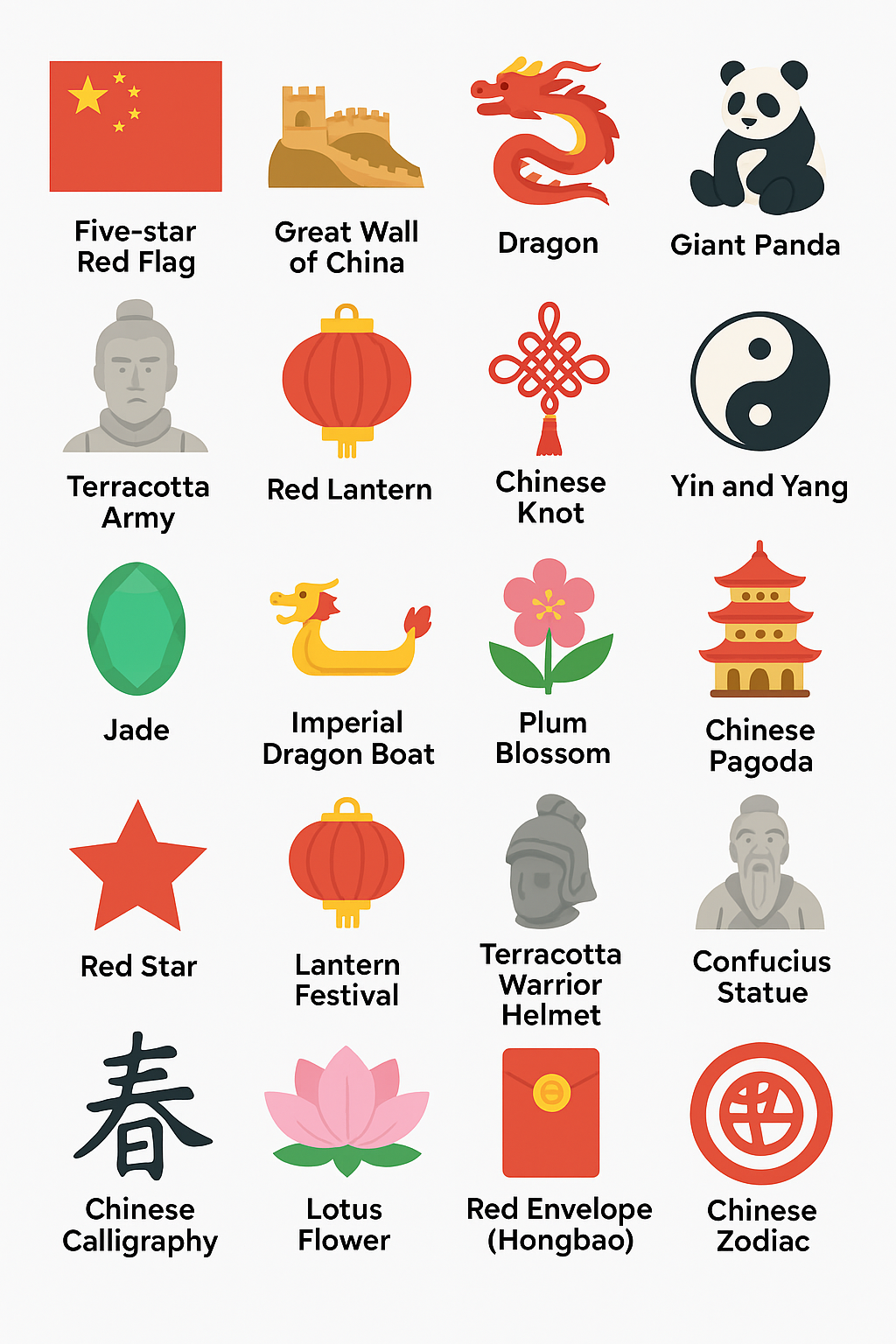
Kulturelle Symbole Asiens spiegeln die reiche Geschichte und Vielfalt der Region wider. Diese Symbole sind oft tief in der Kultur und Tradition der verschiedenen asiatischen Länder verwurzelt und dienen als wichtige Ausdrucksformen ihrer Identität. Von religiösen Symbolen bis hin zu traditionellen Mustern gibt es eine Vielzahl von Symbolen, die in der asiatischen Kultur eine bedeutende Rolle spielen.
Read More →
2 years ago
Symbolismus in animierten Filmen

Symbolismus in animierten Filmen

Read More →
2 years ago
Symbolismus in Horrorfilmen

Symbolismus in Horrorfilmen

Read More →